Friday, July 4, 2025
As Tet (Lunar New Year) approaches, Vietnam comes alive with countless traditional ceremonies that reflect its deep cultural roots. Among these, the Thuong Tieu Festival stands out as a unique royal ritual once practised inside the imperial courts. This annual event has been carefully revived in Hue to preserve its historic and spiritual significance.
The history revived of Thuong Tieu Festival
In recent years, the Thuong Tieu Festival has become a highlight of Hue's springtime heritage activities, drawing tourists to witness the legacy of Vietnam's last imperial dynasty.
Origins of Thuong Tieu Ceremony
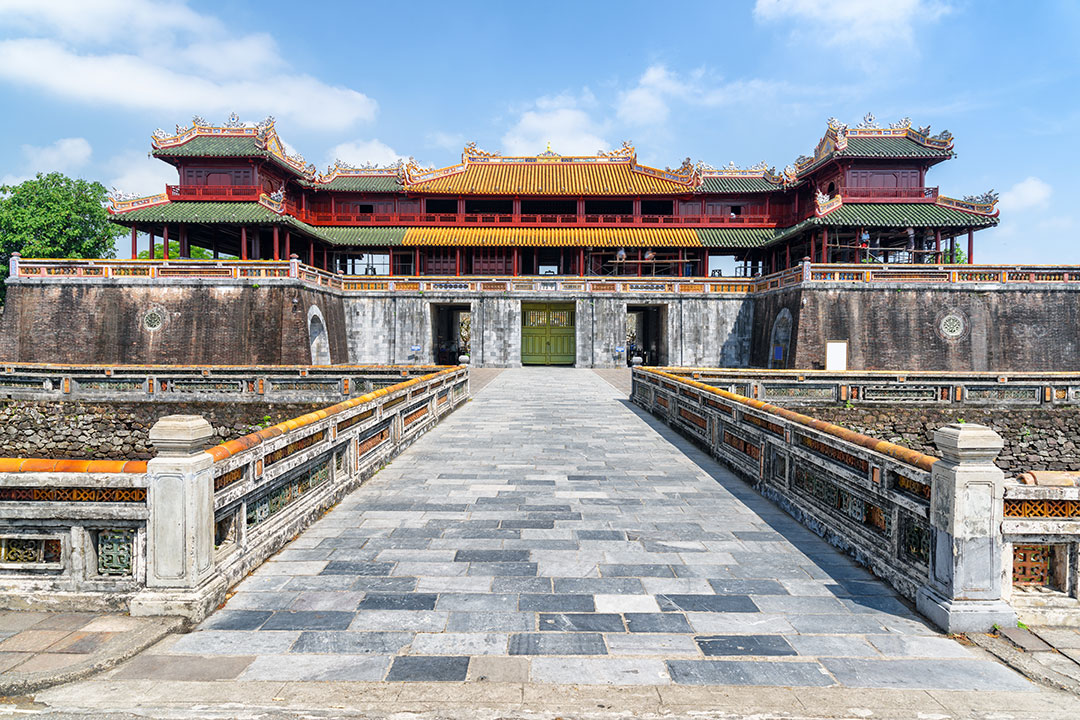
The Thuong Tieu Ceremony (also known as the “ceremony of erecting the Cay Neu”) was one of the most important rituals marking the start of Tet in the Nguyen Dynasty. Originating in the early 19th century, the ceremony signified the official closure of court affairs to welcome the new year. Cay Neu is a tall bamboo pole erected in front of The To Mieu within the Hue Imperial City, adorned with imperial seals and symbolic ornaments.
Thuong Tieu Ceremony represented the spiritual sealing of the royal court’s activities to invite good fortune
From the reign of Emperor Gia Long to Tu Duc, the ritual was held annually on the 23rd day of the twelfth lunar month. Although it faded over time, the tradition has since been successfully restored by the Center for the Conservation of Hue Monuments. The event not only allows audiences to witness ancient customs but also fosters a deeper understanding of Vietnam’s cultural and spiritual heritage, especially Hue’s imperial identity.
Date and location of the event
The Thuong Tieu Festival is scheduled for the 23rd day of the lunar December at The To Mieu within the Hue Imperial City. This historical venue, once used for royal ceremonies of the Nguyen Dynasty, is the ideal setting for reviving the solemn and sacred spirit of the traditional New Year celebration.
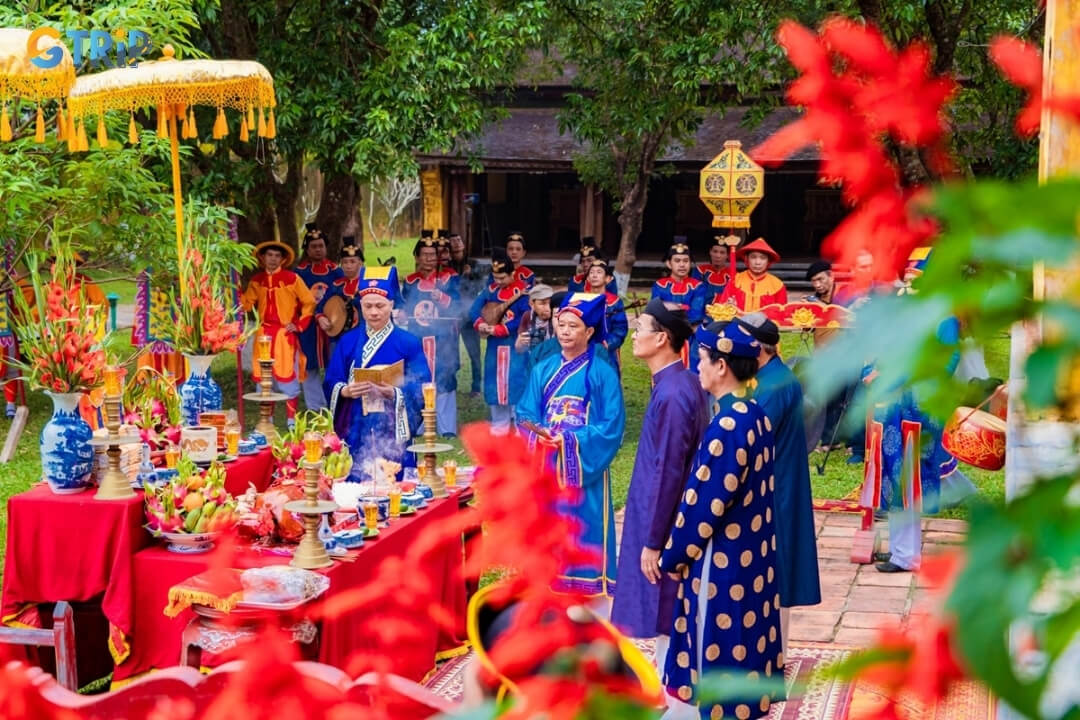
Attendees can observe the ritual Thuong Tieu Ceremony and explore the rich meanings behind each symbolic gesture
Organized by the Center for the Conservation of Hue Monuments in collaboration with artisans of Nha nhac (royal court music), the event is staged following original protocols. Attendees can observe the ritual of erecting the Cay Neu, engage in cultural activities, and explore the rich meanings behind each symbolic gesture. This is a spiritual event that enhances Hue’s global tourism appeal.
Activities and symbolism of the festival
Bringing ancient rituals to life, the Thuong Tieu Festival offers a day-long celebration of cultural pride and royal elegance through a well-orchestrated sequence of events.
Cay Neu procession and erection ceremony
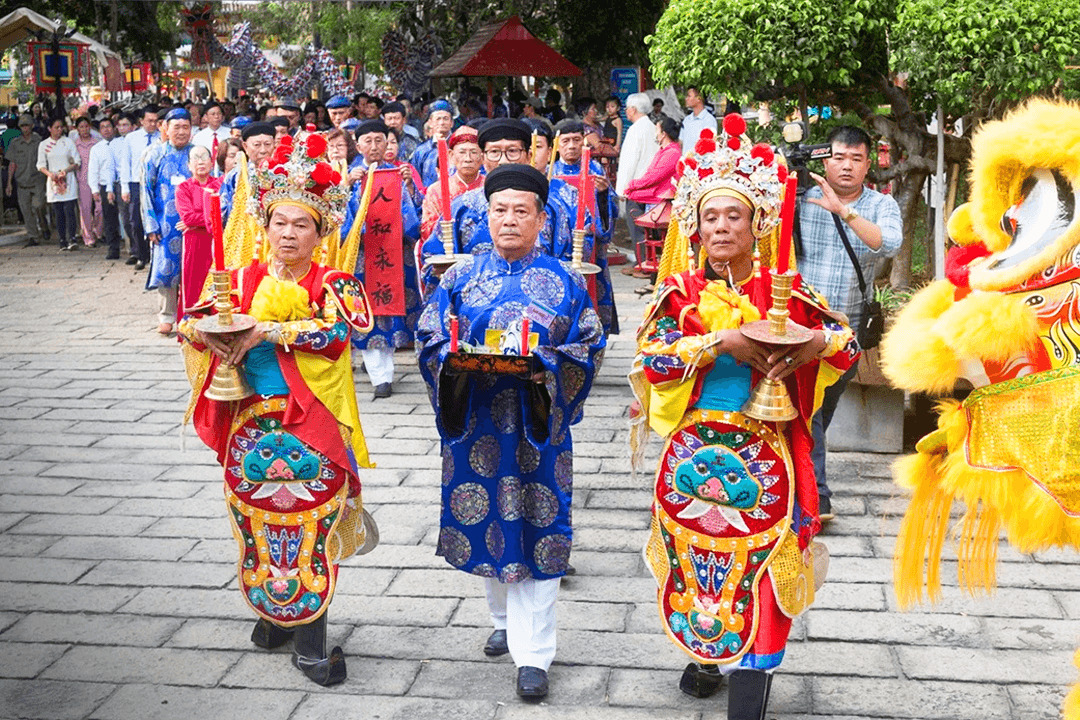
In the early morning: The ceremony begins with the Cay Neu procession, during which a 15-meter-tall bamboo pole is solemnly carried by imperial guards from Hien Nhon Gate into the heart of the Imperial City. Clad in ceremonial uniforms, the procession includes musicians, flag bearers, and officials, creating a vivid image of a functioning royal court. The solemnity of the music and the grandeur of the formation transform the entire citadel into a living museum of Vietnamese imperial ritual.
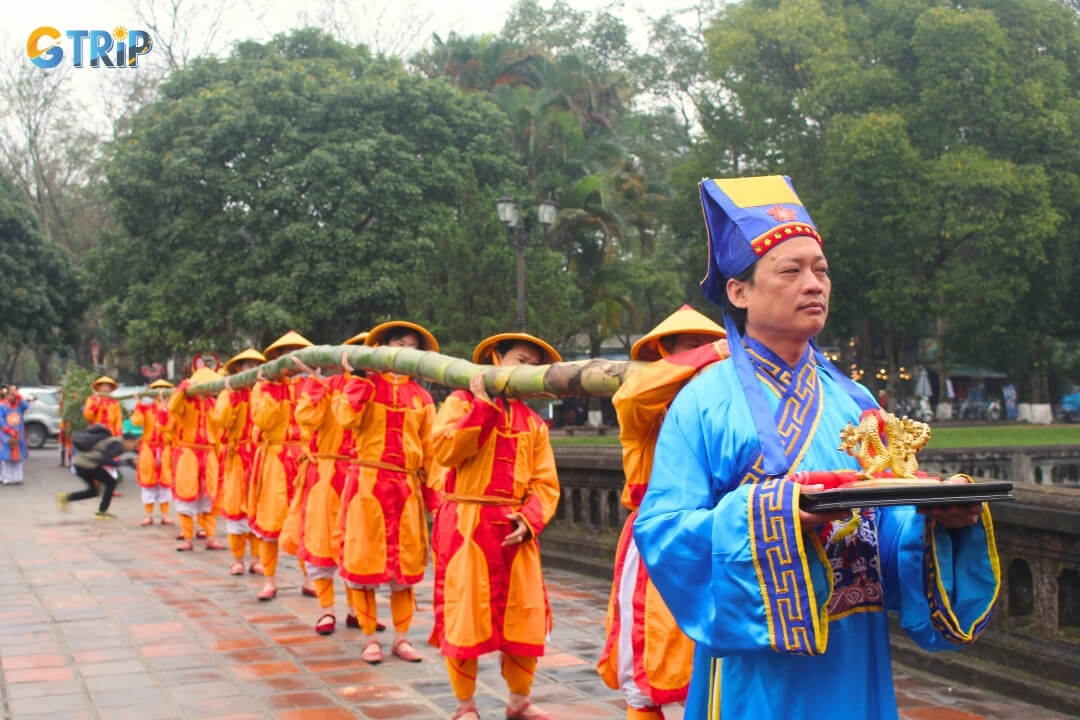
Guards carry the tall neu pole through the imperial gate during the early morning procession
In the afternoon: The highlight that follows is the Thuong Tieu (erecting the Cay Neu) ritual held at The To Mieu. A court official reads a ceremonial prayer, incense is offered, and the pole is raised with symbolic artifacts like imperial banners, sacred seals, and talismans attached to its top. This marks the spiritual sealing of the court’s business and the official beginning of the Tet holiday. It’s a deeply sacred moment, symbolizing transition, protection, and renewal.
Symbolically, Cay Neu and its erection embody a blend of spiritual defense and seasonal celebration. It is believed to ward off evil, welcome spring, and protect the citadel and its people from misfortune. Moreover, it served as a public signal to all citizens that the royal court had entered its New Year recess, a powerful cultural proclamation by the monarchy.
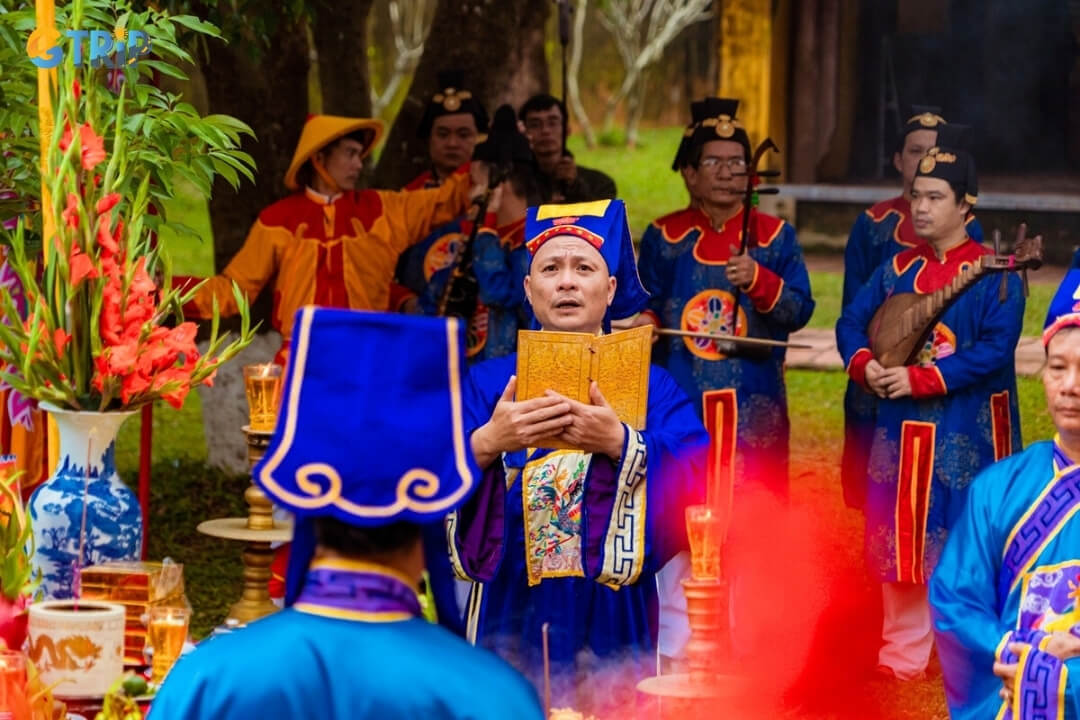
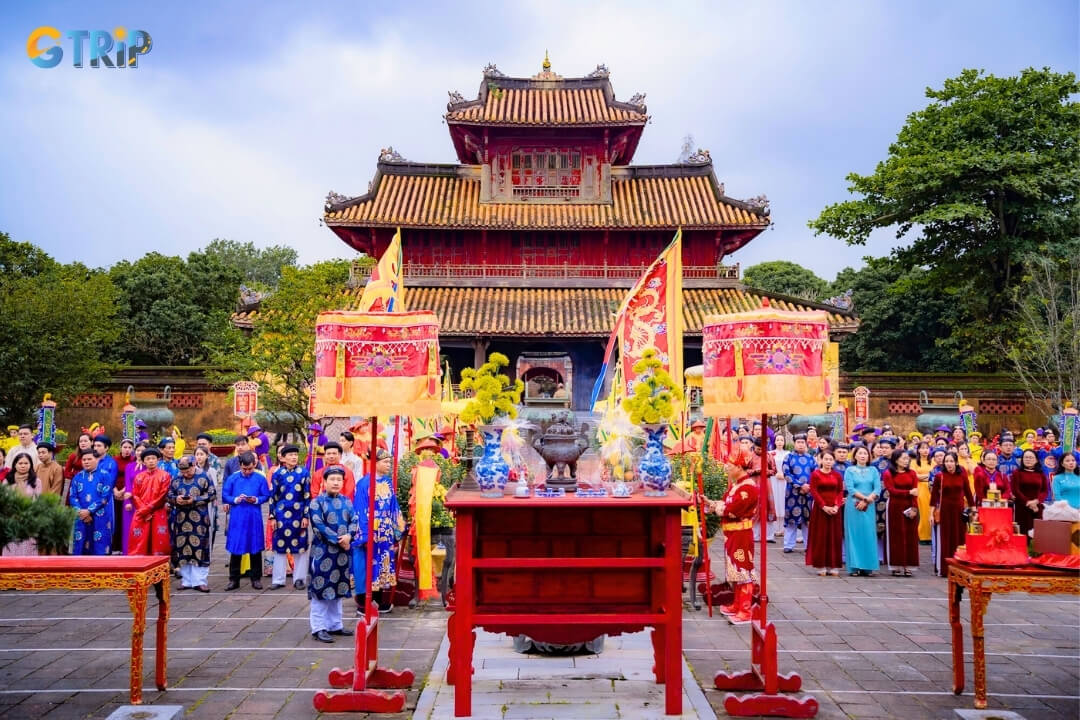
Performers in traditional royal attire stand in front of The To Mieu to begin the Thuong Tieu ceremony
Cultural performances and folk experiences
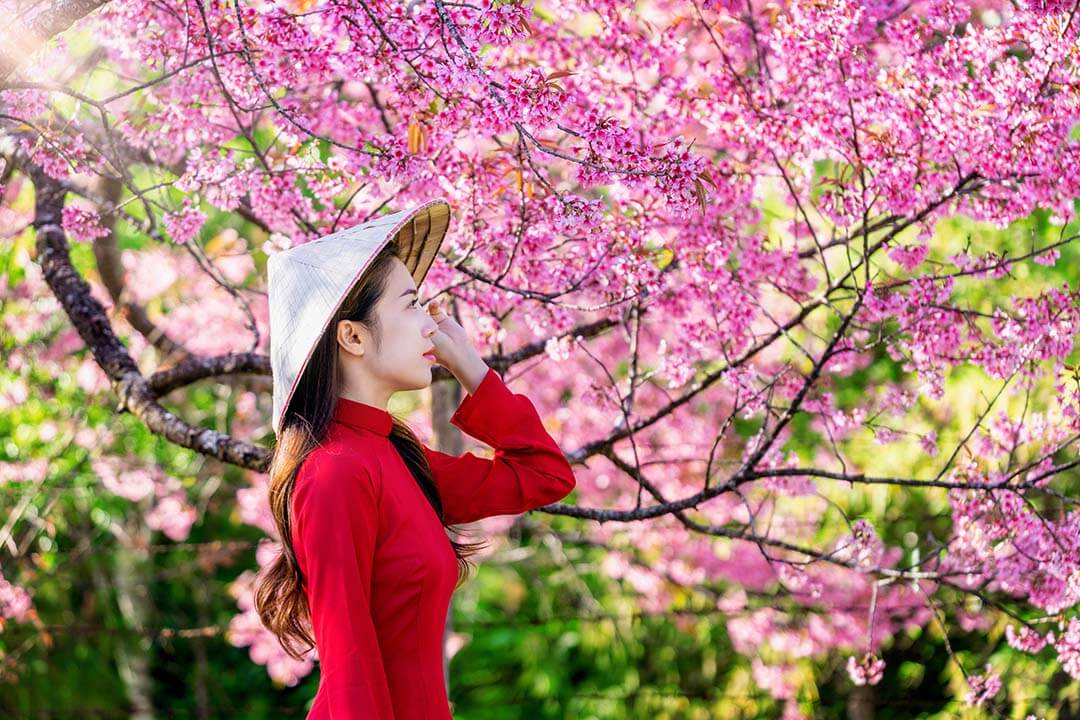
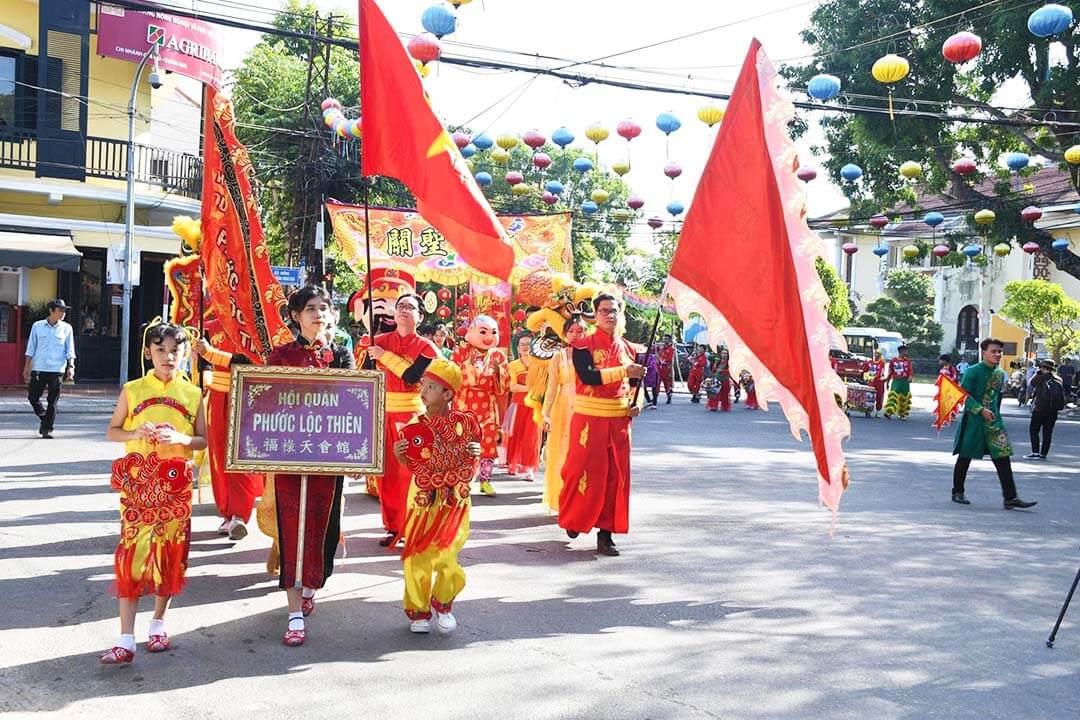
From midday to the evening, the festival continues with a vibrant lineup of cultural performances including Nha nhac court music, lion dances, puppetry, and interactive folk games such as banh chung wrapping, calligraphy booths, and royal costume displays. Visitors can don traditional ao dai, pose with the Cay Neu, or join workshops on Vietnamese calligraphy and folk art. These activities add warmth and accessibility to the royal atmosphere.
From children to elders, locals to international travelers, everyone can take part in this unique celebration of Tet as seen through the imperial lens. These engaging programs not only entertain but also serve as subtle educational tools, helping younger generations appreciate the elegance, intricacy, and humanity embedded in traditional court customs.
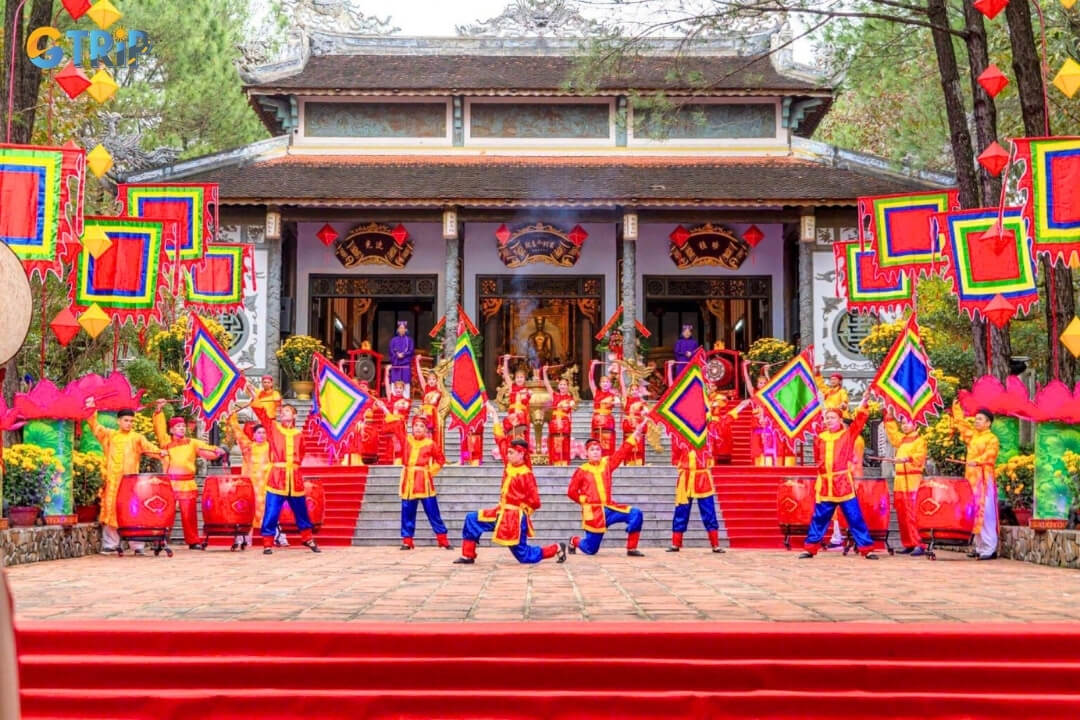
The festival continues with a vibrant lineup of cultural performances
Cultural and spiritual importance of the festival
The Thuong Tieu Festival is not merely a reenactment of a historical ritual - It is a profound statement about Vietnam’s commitment to preserving its intangible heritage. The ritual emphasizes the importance of community harmony, spiritual purification, and cultural pride - values that resonate deeply with both past and present generations. The act of erecting Cay Neu becomes a moment of collective reverence, inviting blessings and symbolically cleansing the space for a prosperous new beginning.
On a broader scale, the revival of Thuong Tieu contributes to Vietnam’s cultural diplomacy and its growing recognition as a heritage-rich nation. Events like this not only educate the public but also help reinforce national identity in the context of globalization. It connects modern Vietnamese people with their royal and cultural ancestry, while offering international visitors an authentic lens into the country's spiritual life.
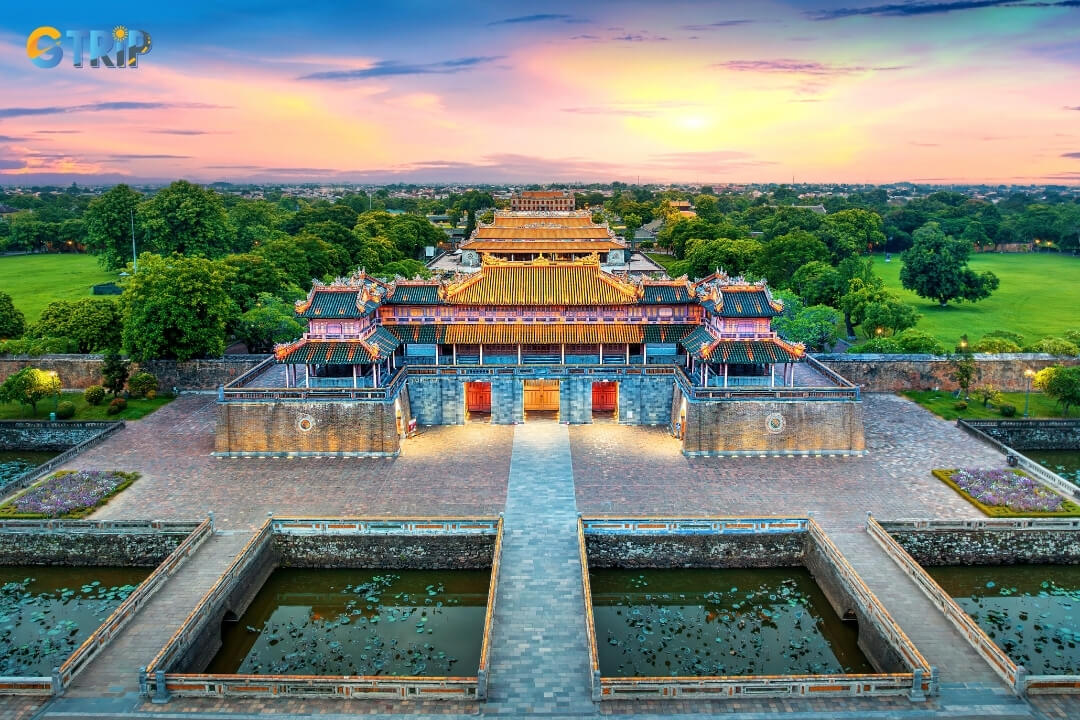
The ceremony at the Hue Imperial Citadel is a bridge between Vietnam’s Nguyen Dynasty and today’s global audience
The Thuong Tieu Festival at the Imperial Citadel is more than a cultural event. It is a bridge between past and present, between Vietnam’s Nguyen Dynasty and today’s global audience. This is a rare chance to witness an authentic royal ritual, reflect on the cultural essence of Tet. Make your plans early to visit Hue city and join us in a Vietnam trip to celebrate this festival in a way that is both sacred and soul-enriching.