Friday, July 4, 2025
As spring arrives, the land of Phu Tho awakens with footsteps heading toward Xoan Festival, the region's grandest traditional celebration of the year. More than just a cultural gathering, the festival is a proud symbol of the region’s identity, where the soul of Vietnam’s ancient folk arts is preserved and shines brightly. It is a must-see destination that bridges past and present through music, ritual, and community spirit.
An overview of Xoan singing
Xoan singing is a traditional folk performing art closely tied to the worship of the Hung Kings. It originates from rice-farming communities in Vietnam’s midlands, mainly in Phu Tho Province.
History and significance of Xoan singing
According to legend, Xoan singing began over 2,000 years ago during the era of the Hung Kings, who founded the first Vietnamese state. It spread among local villagers, eventually forming Xoan guilds, and has been preserved until today.
Xoan singing is usually performed in spring to worship the Hung Kings, local deities, and village guardian spirits. It is a way to pray for good fortune, favorable weather, bountiful harvests, and peace. For the people of Phu Tho, Xoan singing is considered a sacred and most enchanting folk art form.
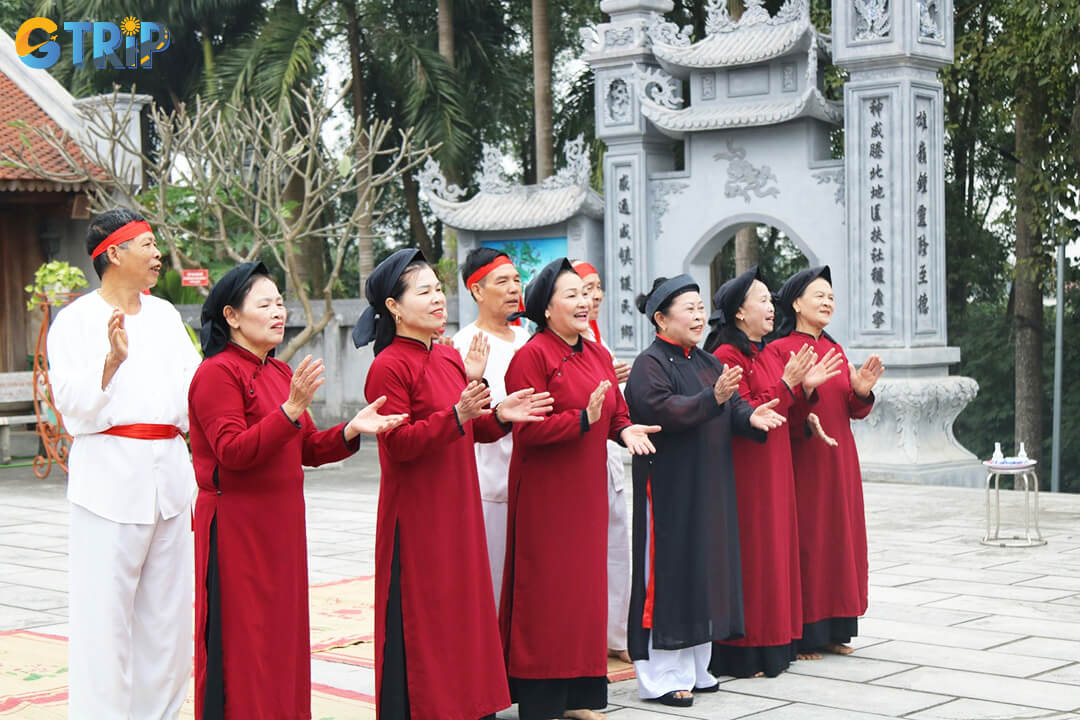
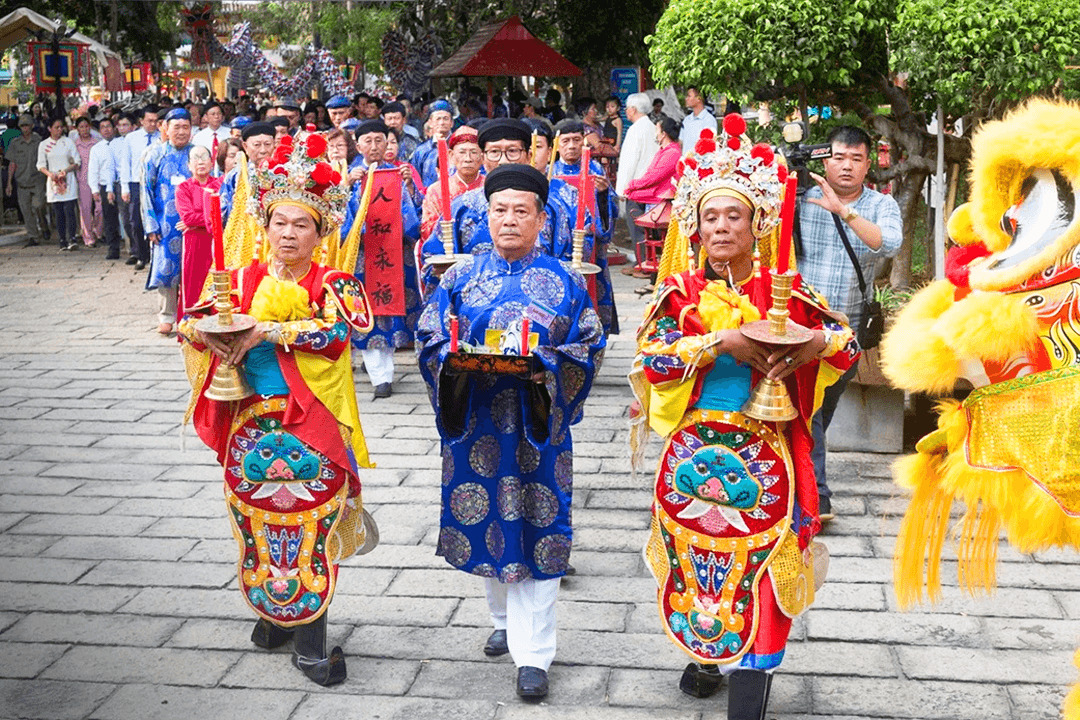
Xoan singing is an intangible cultural heritage of performing arts
In 2011, Xoan singing of Phu Tho was inscribed by UNESCO as an Intangible Cultural Heritage in Need of Urgent Safeguarding. Remarkably, on December 8, 2017, it became the world’s first heritage to be removed from this list and officially recognized as an Intangible Cultural Heritage of Humanity.
Unique features of Xoan singing
Xoan singing consists of three main types of performances. The first type is worship songs dedicated to the Hung Kings and village tutelary gods. The second type includes ceremonial songs for praying for good health and prosperity. The third type is festival songs designed for social interaction and courtship.
The performances include various singing styles such as chanting, reciting, duet singing, call-and-response, and multi-part harmonies performed by male and female groups. Xoan is a multi-disciplinary art that combines music, dance, and poetry. It is not typically staged in modern concert halls but performed on temple grounds, often near the village communal house.
Accompanied by traditional instruments like small and large drums and bamboo clappers, male lead singers perform the songs while dancing in rhythm. One distinct feature of Xoan is the interactive performance between different Xoan guilds. This interaction creates a musical dialogue that few other art forms can replicate.
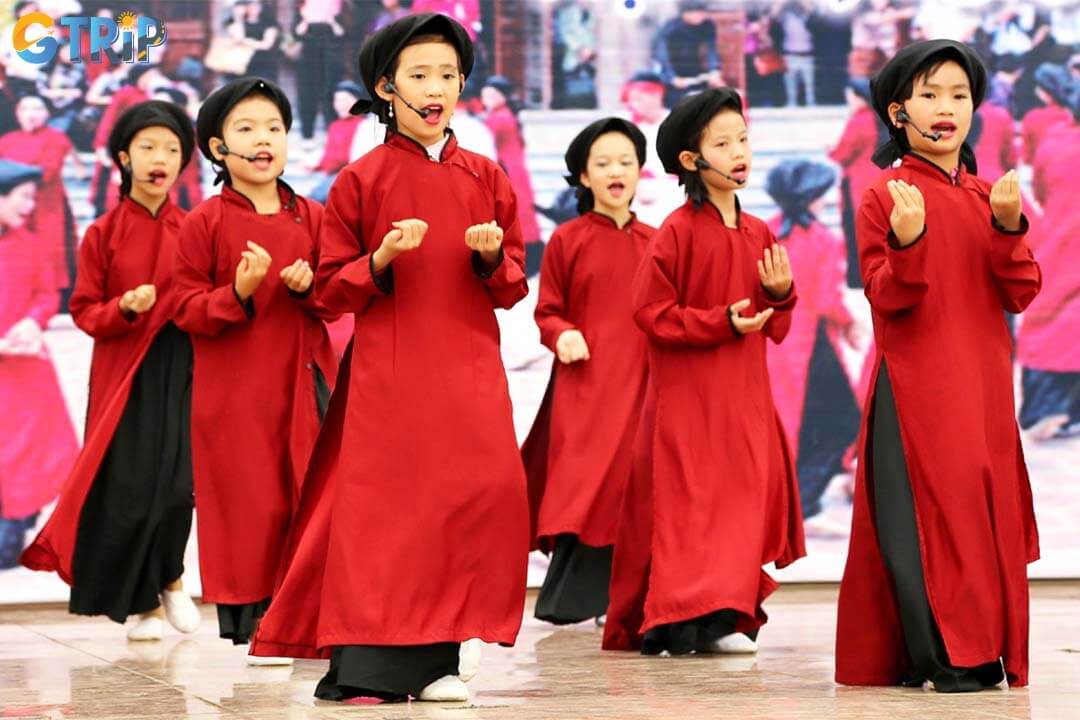
Xoan singing is an important part of the cultural and spiritual life of the people of Phu Tho
Xoan Festival in Phu Tho
Xoan Festival is celebrated annually from the 7th to the 10th day of the first lunar month in Tam Nong Commune, Phu Tho Province.
Main activities of the festival
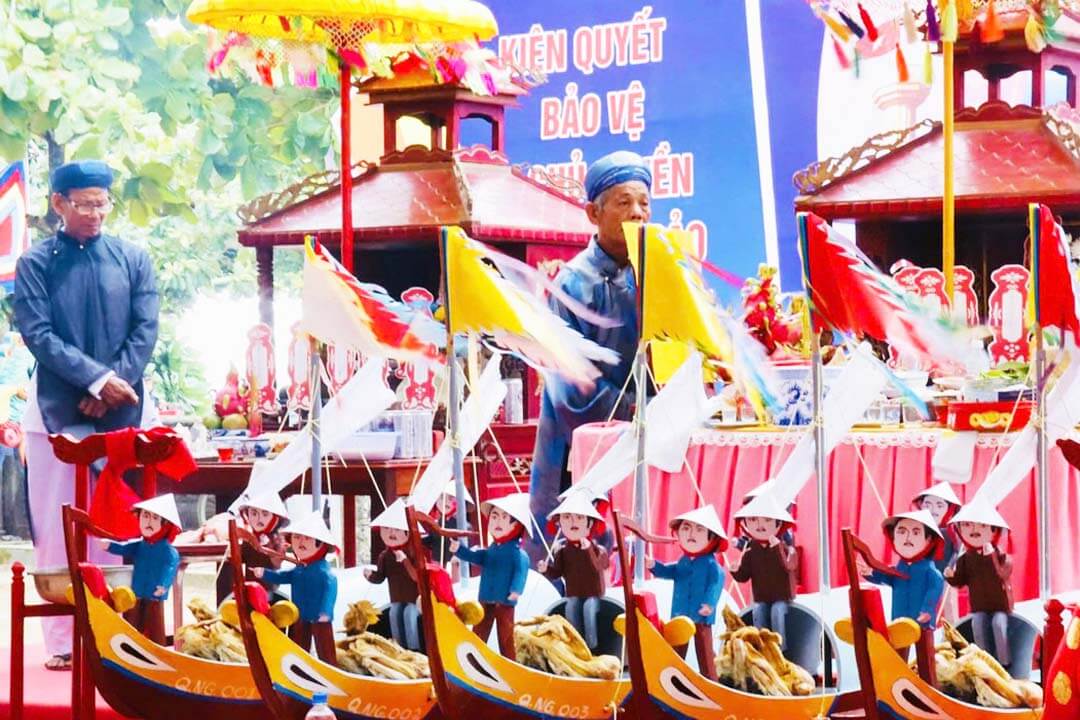
On the morning of the 7th lunar day, hundreds of local villagers gather in Huong Nha Village to offer spring prayers to the village deity. This opening ritual is meticulously prepared, with simple vegetarian offerings such as yam and honey, reflecting local devotion.
Throughout the festival, various Xoan guilds perform traditional singing at stages set up in front of communal houses, praying for timely rains, good harvests, and community well-being. Visitors coming to Phu Tho during this time can fully immerse themselves in this rich musical and spiritual atmosphere, a rare and authentic experience.
A distinctive custom during the festival is the buffalo sacrifice ritual, which reenacts a legend where five generals of the Hung Kings escaped danger with the help of the river god. In gratitude, they slaughtered a buffalo, using its skin to make a pot to cook offerings for the river god. This story is commemorated through the ritual today.
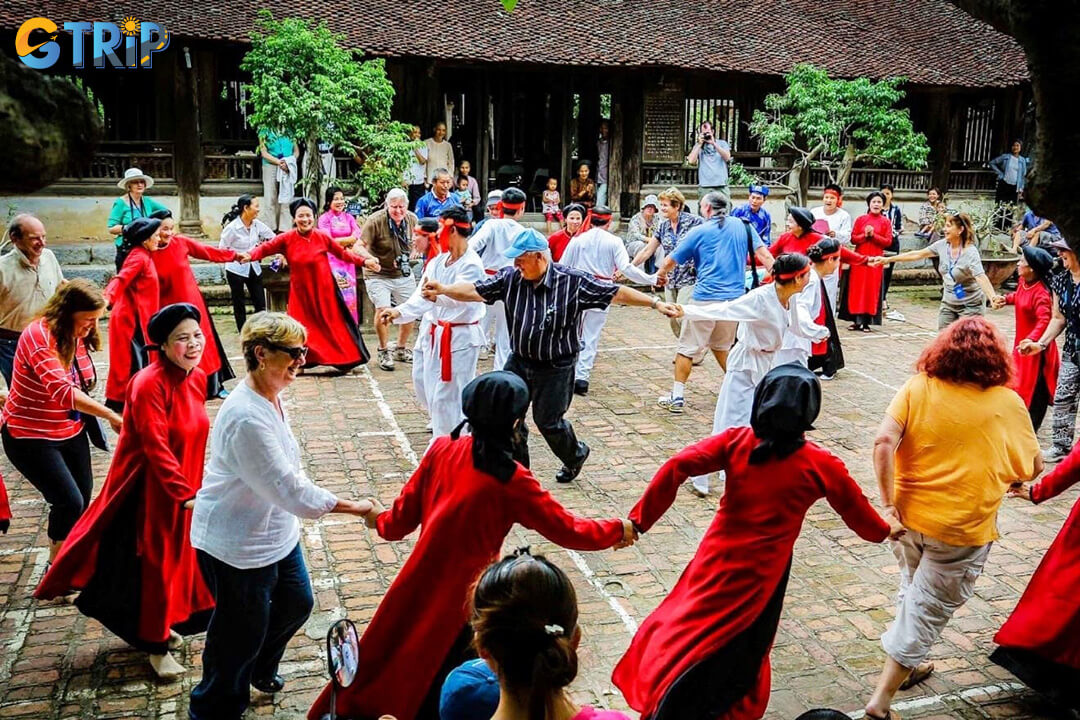
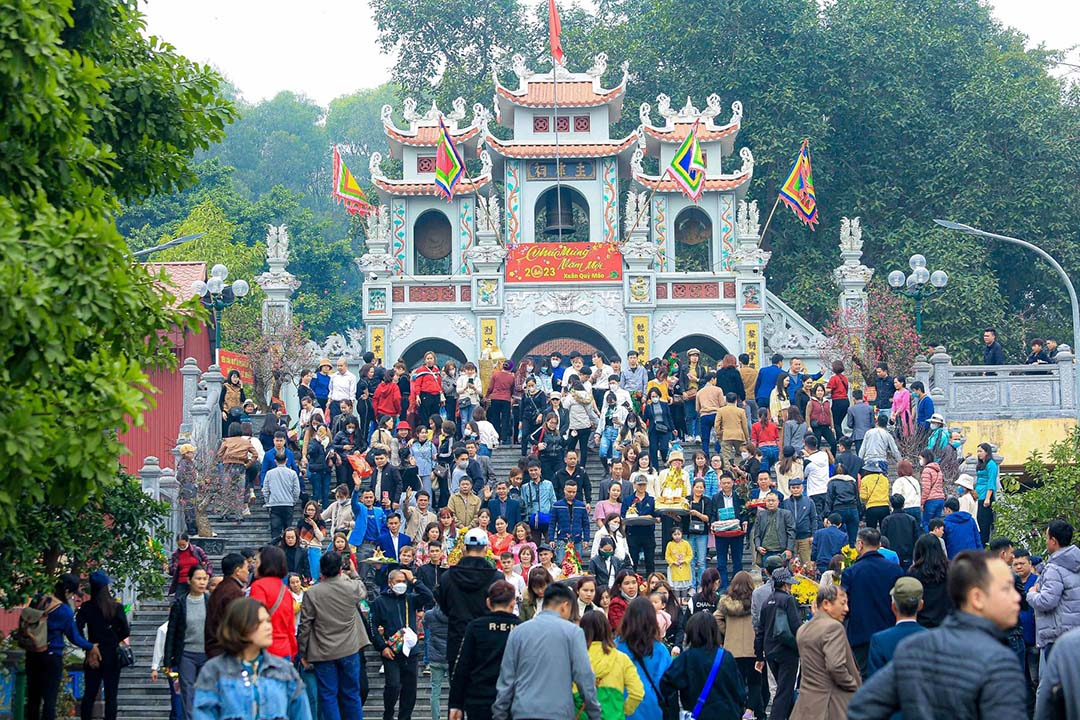
The festival attracts a large number of locals and tourists to participate
On the 10th lunar day, villagers stage various traditional craft and farming activities along the riverbank in front of the communal house. These activities vividly recreate rural life, including water scooping, plowing, harrowing, rice planting, silkworm rearing, cotton spinning, and more. These living exhibits captivate visitors and highlight the vibrancy of local culture.
Meaning of the Xoan Festival
The Xoan Festival is a traditional celebration for the people of Phu Tho and all Vietnamese. It is primarily held to honor General Xuan Nuong, a heroine from the Hai Ba Trung era. She fought against northern invaders to safeguard national independence.
Xoan songs commonly carry wishes for favorable weather, abundant crops, and a peaceful, happy life for all villagers. The festival fosters community spirit, bringing villagers and neighboring communities together, strengthening social bonds, and creating a sense of unity.
Beyond its cultural significance, the Xoan Festival is recognized as an invaluable intangible heritage. It needs to be preserved and promoted. This ensures its value is passed on to future generations.
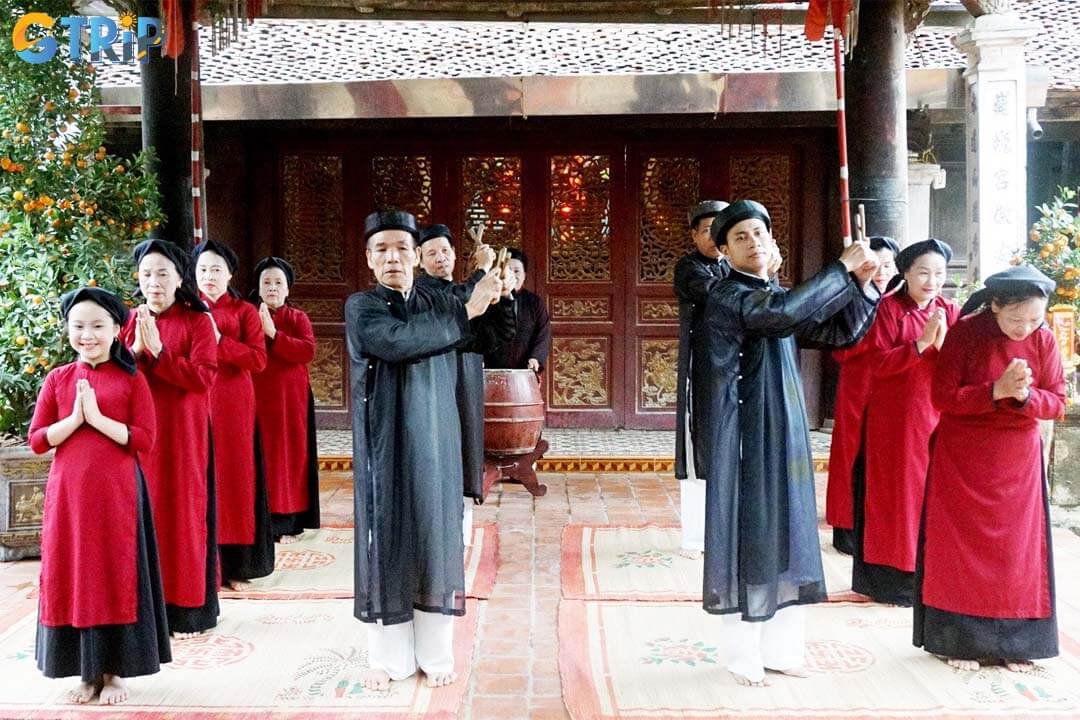
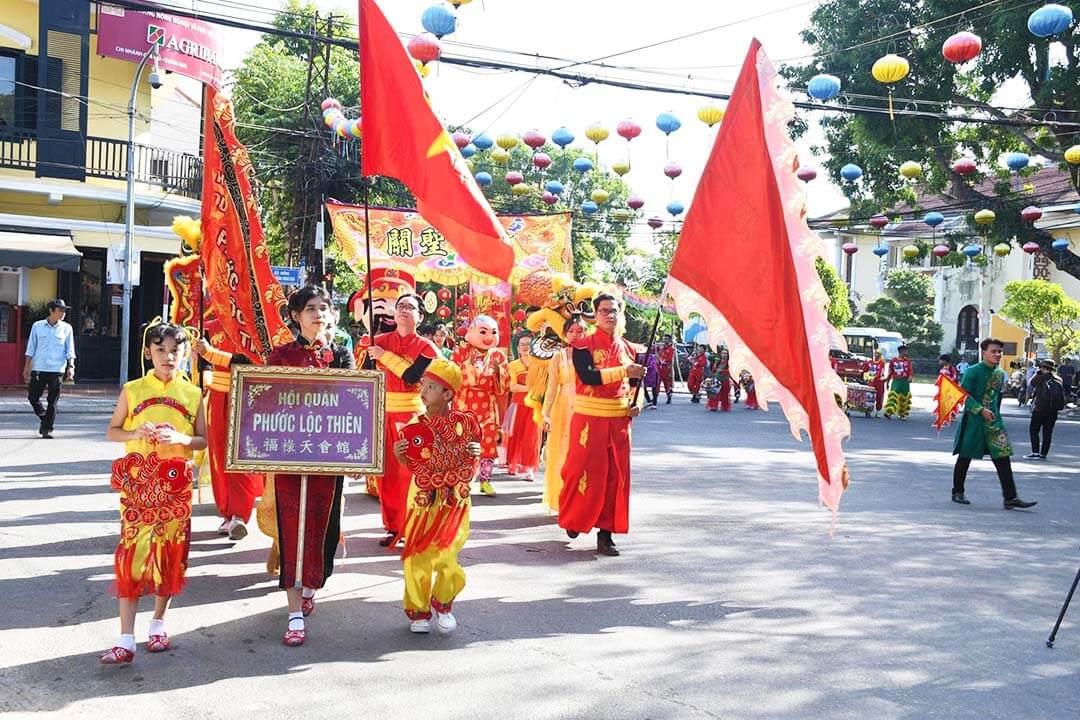
Xoan Festival contributes to the preservation and promotion of the beautiful traditional values of Phu Tho
Xoan Festival in Phu Tho is one of Vietnam’s most cherished spring celebrations. With sacred rituals to poetic singing and lively reenactments, this festival is a vibrant fusion of cultural depth and community spirit. If you are seeking unique springtime experiences, a visit to Vietnam during the Xoan Festival will leave you with unforgettable memories!