
Tuesday, October 13, 2026
Chuc Thanh Pagoda is one of Hoi An's oldest and most significant spiritual landmarks, offering a peaceful escape from the bustling ancient town. Tucked away from the main tourist trail, this venerable sanctuary provides a rare glimpse into the deep-rooted spiritual traditions of the region. As the oldest pagoda in Hoi An, its weathered walls and quiet courtyards whisper centuries-old stories, reflecting the enduring influence of Zen Buddhism. For travelers seeking more than just lanterns and tailor shops, a visit to Chuc Thanh Pagoda is a journey into the soul of Hoi An. In this complete GTrip guide, you'll find everything you need to plan your visit.
Table of Content
- Overview of the Chuc Thanh Pagoda, Hoi An
- Why is it called “Chuc Thanh”?
- History of Chuc Thanh Pagoda
- Architecture of Chuc Thanh Temple
- Top 7 things to do at Chuc Thanh Pagoda
- How to get to Chuc Thanh Pagoda?
- Nearby attractions to the Chuc Thanh Pagoda
- Practical tips for visitors when visiting Chuc Thanh Pagoda in Hoi An
Overview of the Chuc Thanh Pagoda, Hoi An
- Address: No. 104 Ton Duc Thang Street, Hoi An Ward (formerly Cam Pho Ward, Hoi An City, Quang Nam Province), Da Nang City
- Opening hours: 7:00 AM - 8:00 PM daily
- Entrance fee: Free
- Best time to visit: Early morning or late afternoon for a quieter experience and softer light for photography. Visiting during these times helps you avoid the intense midday heat and allows for more peaceful reflection.
Chuc Thanh Pagoda holds the distinguished title of the oldest pagoda in Hoi An, serving as a vital center for the Lam Te (Linji) school of Zen Buddhism in Central Vietnam. Unlike the vibrant, crowded assembly halls within the Ancient Town, Chuc Thanh offers an atmosphere of profound tranquility. The moment you step through its gates, the sounds of the city fade, replaced by the gentle rustle of leaves, the faint scent of incense, and a palpable sense of peace. It's an active monastery where monks live and practice, giving visitors a respectful insight into their daily spiritual life, a stark contrast to the more commercialized tourist spots nearby.
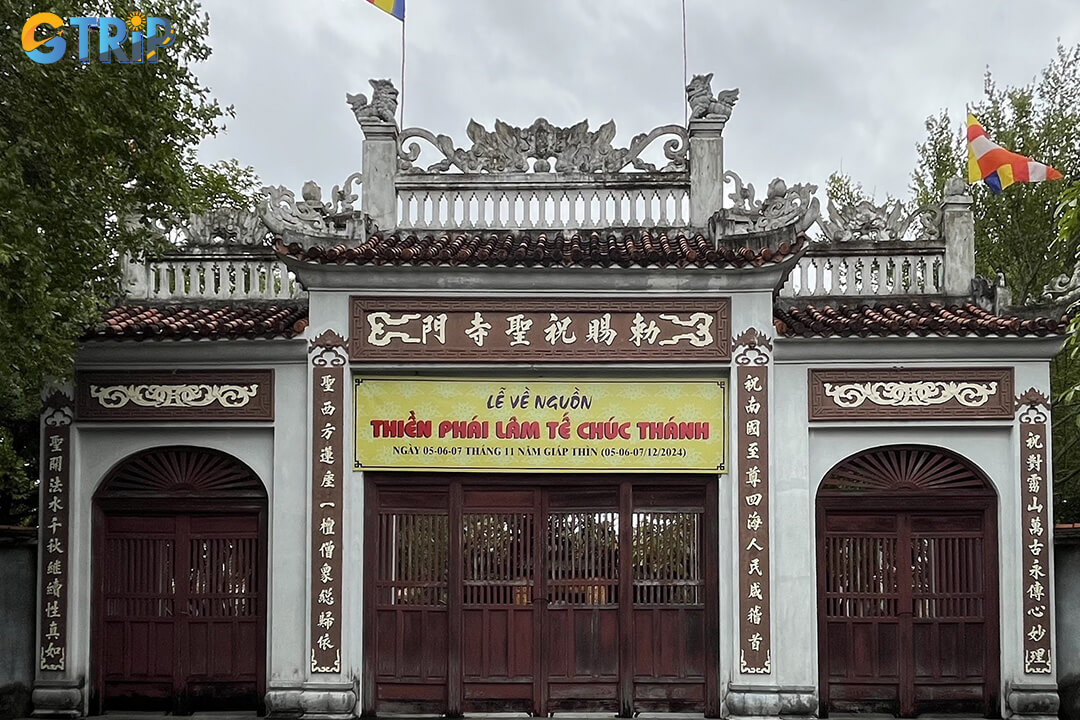
Chuc Thanh Pagoda offers a peaceful retreat as Hoi An’s oldest temple, providing a rare glimpse into authentic Zen Buddhist life
Why is it called “Chuc Thanh”?
The name “Chuc Thanh” dates back to when Master Minh Hai first founded the pagoda. Its meaning can be understood in two ways:
First, in the mid-17th century, the Nguyen Lords in southern Vietnam strongly supported Buddhism and showed great respect to Master Minh Hai. When establishing the pagoda, he named it “Chuc Thanh” to express his gratitude and to wish the rulers blessings and prosperity (literally, “wishing the Holy Lord all good things”).
Second, there was also a temple named “Chuc Thanh” in China at that time. It is believed that Master Minh Hai chose this name to honor his homeland and preserve a connection to his origins.
While both interpretations seem reasonable, the second lacks clear historical evidence. Therefore, the first explanation is more widely accepted: “Chuc Thanh” conveys a blessing for the ruler’s well-being and longevity, which also aligns with a line in his teaching verse: “Chuc Thanh tho thien cuu” (wishing the Holy Lord a long life).
History of Chuc Thanh Pagoda
Chuc Thanh Pagoda carries over 300 years of quiet history, rooted in the fusion of Chinese Buddhist traditions and Hoi An’s golden era as a bustling international trading port. Founded in the late 17th century, it has grown from a simple thatched retreat into the city’s most important Buddhist temple, a living testament to faith, resilience, and thoughtful evolution.
| Year | Milestone and key developments |
|---|---|
| Late 17th century (1697) | Chinese Master Minh Hai arrives in Hoi An after his teacher returns to China. He builds the original Chuc Thanh Pagoda as a modest thatched cottage. |
| 17th-18th century | Successive generations of monks gradually expand and strengthen the simple structure into a more permanent temple. |
| 1845 | Monk Quan Thong rebuilds the pagoda on the same site, reorienting it southwest to follow better feng shui principles for harmony and prosperity. |
| 1849 | Under Monk Quan Thong’s guidance, the temple is dramatically enlarged, roughly doubling its original size and adding greater grandeur. |
| 1894 | Monks Chung Dao and Quang Dat request and oversee the addition of an ancestral worship hall behind the main hall to honor past masters. |
| 1911 | Monk Pho Bao adds two symmetrical buildings (east and west wings) flanking the main hall. This layout has remained largely unchanged ever since. |
| 20th century - present | Later caretakers focus on landscaping, small auxiliary structures, and preservation, including the elegant burial stupa dedicated to founder Minh Hai. |
Architecture of Chuc Thanh Temple
Chuc Thanh Pagoda follows a classic “Tam” layout, blending Vietnamese and Chinese design, with a peaceful setting enhanced by feng shui and traditional craftsmanship.
The entrance and outer area
The entrance begins at the Tam Quan Gate (Triple Gate), featuring a curved, moss-covered tiled roof in traditional style. On top are symmetrical guardian creatures facing each other, along with lotus motifs, symbols closely associated with Buddhism.
Passing through, visitors reach the pagoda’s courtyard, where the atmosphere becomes noticeably quiet and spiritual. One of the highlights here is a complex of ancient stupas, including 16 burial towers that preserve the remains of founder Minh Hai and other monks of the lineage. This area is often used by visitors for incense offerings and quiet reflection.
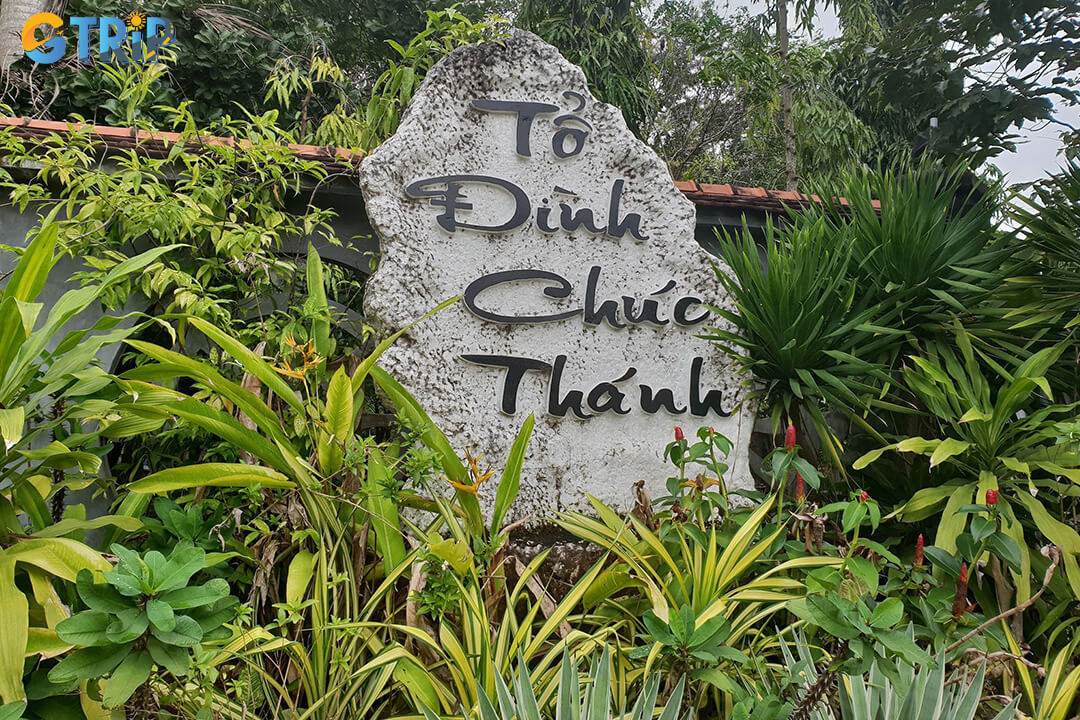
The entrance through the Tam Quan Gate leads to a courtyard with ancient stupas, creating a serene and spiritual first impression
The Main Hall
Located at the center, the Main Hall is the most prominent structure. It is built with a solid wooden frame system, creating a spacious and stable interior. The roof is covered with traditional yin-yang tiles, a common feature in Hoi An architecture, symbolizing balance and harmony.
At the roof’s peak, dragon and phoenix motifs are placed symmetrically, representing power and prosperity. Along the eaves, detailed carvings illustrate key moments in the life of Buddha Shakyamuni, from birth to enlightenment.
Inside, the altar system is arranged in layers with multiple important figures in Buddhist tradition. Large bells, drums, and gold-painted parallel sentences further enhance the solemn and sacred atmosphere.


The ancestor hall and inner area
Behind the main hall, a peaceful courtyard with bonsai and ornamental plants leads to the Ancestor Hall (To Duong). This space is dedicated to founder Minh Hai and 11 generations of abbots, preserving the spiritual lineage of the pagoda.
Connected by covered walkways, the inner area feels more intimate and less crowded. Surrounding the main structures are functional spaces such as monks’ living quarters, a chanting room, a kitchen, a library, and small gardens. A nearby cemetery holds the tombs of monks and local Buddhists, adding depth to the pagoda’s long-standing history.
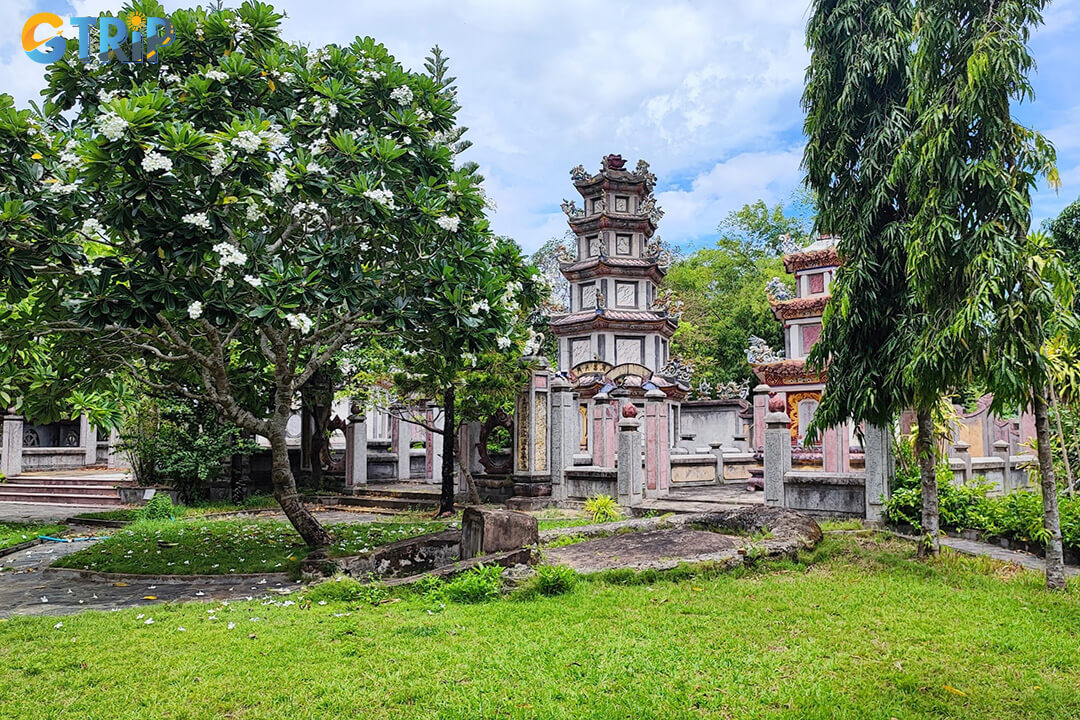
Behind the main hall, a quiet courtyard and Ancestor Hall preserve the pagoda’s spiritual lineage within a peaceful, intimate setting
Top 7 things to do at Chuc Thanh Pagoda
A visit to Chuc Thanh Pagoda is best enjoyed at a slow pace. Beyond sightseeing, this is a place to observe, reflect, and experience a quieter side of Hoi An.
1. Admire the timeless architecture
Walk through the complex and notice details like yin-yang tiled roofs, dragon-phoenix motifs, and hand-carved wooden pillars. Every element reflects a blend of Vietnamese and Chinese craftsmanship shaped over centuries. You’ll also see how symmetry and layout follow traditional feng shui principles. Take your time to appreciate the fine details that are often missed at first glance.
2. Explore the sacred stupas and courtyard
In the courtyard, you’ll find a cluster of ancient stupas, including the burial towers of founder Minh Hai and generations of monks. Their weathered appearance and peaceful setting offer a deeper sense of the pagoda’s long spiritual lineage. Each stupa carries historical and religious significance tied to different periods. The quiet space invites reflection and a deeper connection to the past.
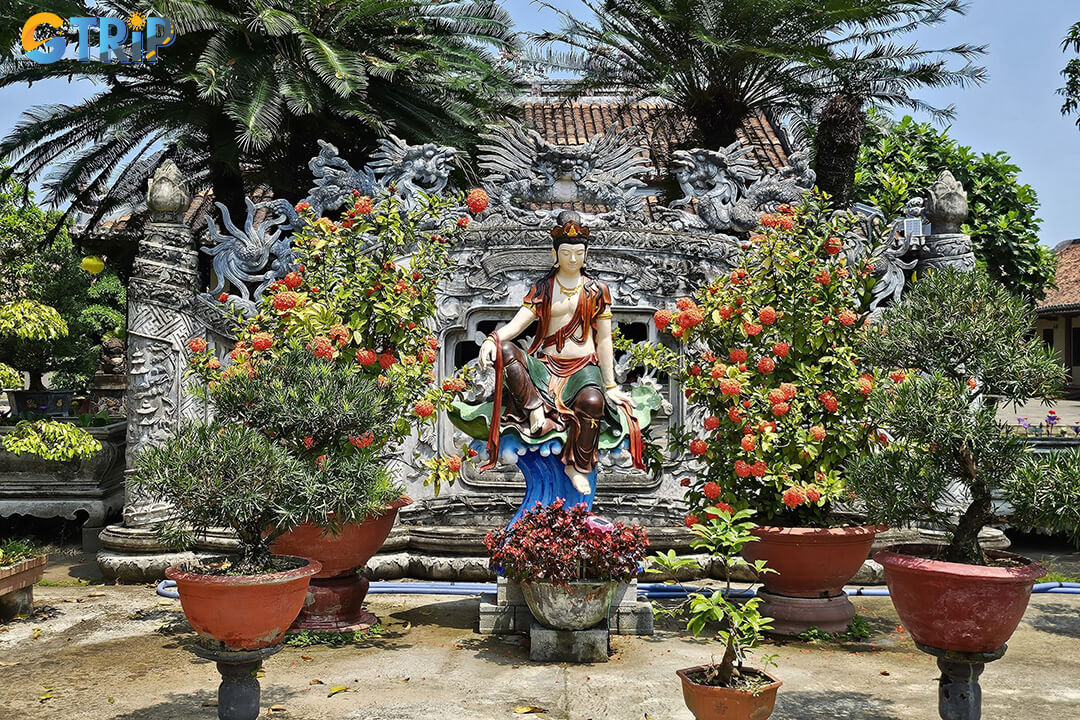
The courtyard’s ancient stupas embody the pagoda’s spiritual legacy, creating a serene space for reflection and connection to history
3. Visit the main hall and make a quiet offering
Step inside the main hall to observe the layered altar system with Buddha and Bodhisattva statues. Visitors can light incense and make a silent prayer, an experience that connects you with local spiritual practices. The dim lighting and scent of incense create a calm, sacred atmosphere. It’s a meaningful moment to pause and reflect during your visit.
4. Slow down in the peaceful garden
Take a break under the shade of old trees or near bonsai gardens. The calm atmosphere, combined with the scent of incense and flowers, makes it an ideal place for quiet reflection or simply escaping the busy streets of Hoi An. You can sit quietly and enjoy the natural surroundings at your own pace. It’s an ideal spot to recharge before continuing your journey.
5. Observe daily monastic life
As an active monastery, the pagoda is still home to resident monks. You may see them chanting, gardening, or preparing rituals. Watching respectfully from a distance offers a rare glimpse into authentic Buddhist life. Observing respectfully offers insight into authentic Buddhist life. It also highlights the living cultural role of the pagoda today.
6. Capture a quieter side of Hoi An
For photography, Chuc Thanh Pagoda provides a completely different mood compared to the Old Town. Soft light, aged textures, and peaceful spaces create simple but meaningful photo opportunities. Early morning or late afternoon is best for photography. The natural lighting adds depth and mood to your shots.
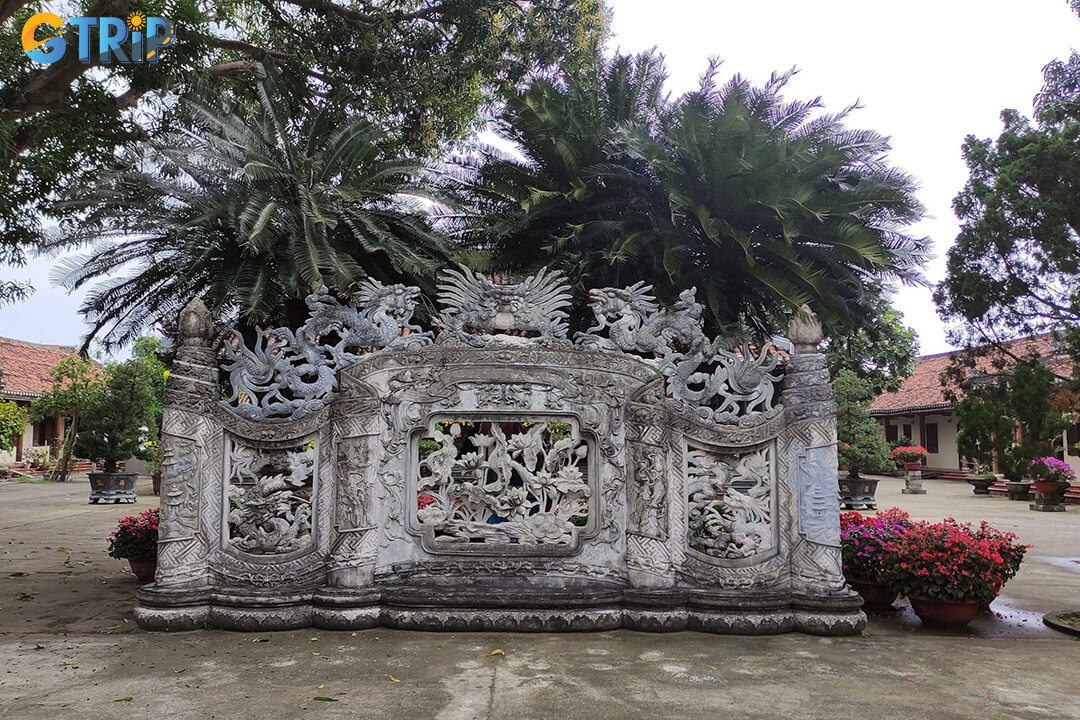
Chuc Thanh Pagoda offers a serene, photogenic setting with soft light and timeless textures, best captured in the early morning or late afternoon
7. Experience traditional rituals and local culture
If you visit on special occasions, especially the 1st or 15th day of the lunar month, you’ll see locals coming to pray and listen to chanting. Larger ceremonies, such as the annual death anniversary of the founder or gatherings of the Chuc Thanh sect, offer a deeper insight into the pagoda’s living traditions. These moments reflect the strong connection between the pagoda and the community. It’s a chance to witness living cultural heritage firsthand.
How to get to Chuc Thanh Pagoda?
Chuc Thanh Pagoda is located just outside Hoi An Old Town, making it easy to reach from both Da Nang and nearby areas. Depending on where you start, you can choose different routes and transport options for a convenient journey.
From Da Nang International Airport
Chuc Thanh Pagoda is about 30 km south of Da Nang International Airport. The journey is simple, with direct routes connecting to Hoi An.
- Distance: ~30 km
- Travel time: 45-60 minutes
- Routes: Coastal road → Hai Ba Trung Street → Ton Duc Thang Street
- Optimal option: Private car or taxi for a direct and comfortable trip
From Da Nang City center
From Da Nang City center, visitors can easily reach the pagoda via coastal or inland routes, with clear directions to Hoi An.
- Distance: ~25-30 km
- Travel time: 40-50 minutes
- Routes: Vo Nguyen Giap → Lac Long Quan → Hai Ba Trung → turn into Ton Duc Thang
- Optimal option: Motorbike for flexibility or private car for convenience

Reach Chuc Thanh Pagoda easily from Da Nang via a short, scenic drive, best done by motorbike or private car for convenience
From Hoi An Ancient Town
Chuc Thanh Pagoda is located less than 2 km from Hoi An Old Town, making it very easy to reach.
- Distance: ~1.5-2 km
- Travel time: 5-10 minutes
- Routes: Huynh Thuc Khang Street or Hai Ba Trung Street → Ton Duc Thang Street
- Optimal option: Walking or cycling for a short, pleasant trip
Transportation options
There are many ways to reach Chuc Thanh Pagoda depending on your location and preference.
- Walking/Cycling: Ideal if staying nearby (especially Tan An area)
- Motorbike: Easy to navigate, free parking near the entrance
- Taxi/Car: Convenient, drop-off directly at the gate
- Cyclo/Electric shuttle: Good for short, relaxed trips within Hoi An
- Hotel shuttle: Some hotels offer transfers, check availability in advance
Transportation options
Visitors have several choices to reach Chuc Thanh Pagoda, depending on their budget, starting point, and travel style.
- Bicycle: The ideal and most charming way to visit if you are staying in or around Hoi An.
- Motorbike/Scooter: A great option for independent travelers who want the flexibility to explore other nearby, off-the-beaten-path sites.
- Taxi/Grab: Convenient, readily available, and affordable, especially for short distances from within Hoi An.
- Private car: The most comfortable option, especially for groups or those traveling from Da Nang with luggage.
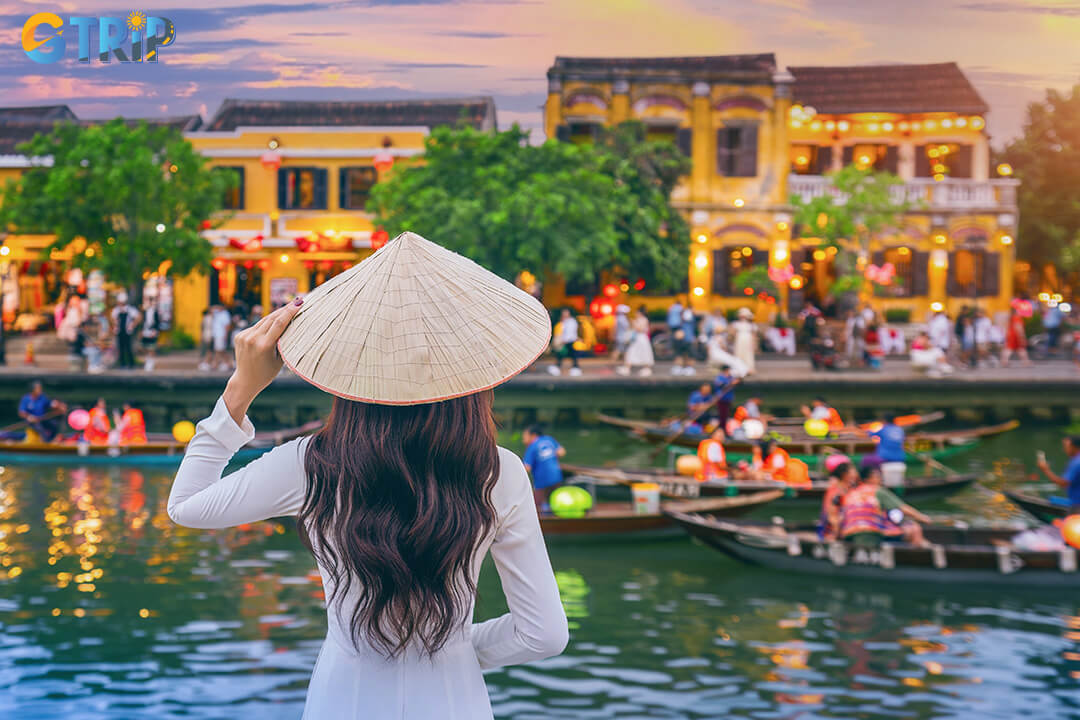
Choose from bicycles, motorbikes, taxis, or private cars to reach Chuc Thanh Pagoda based on your travel style and comfort
Nearby attractions to the Chuc Thanh Pagoda
A visit to Chuc Thanh Pagoda can easily be combined with other fascinating sites in and around Hoi An. Since it lies just outside the main tourist zone, it serves as a great starting point to explore more of the area.
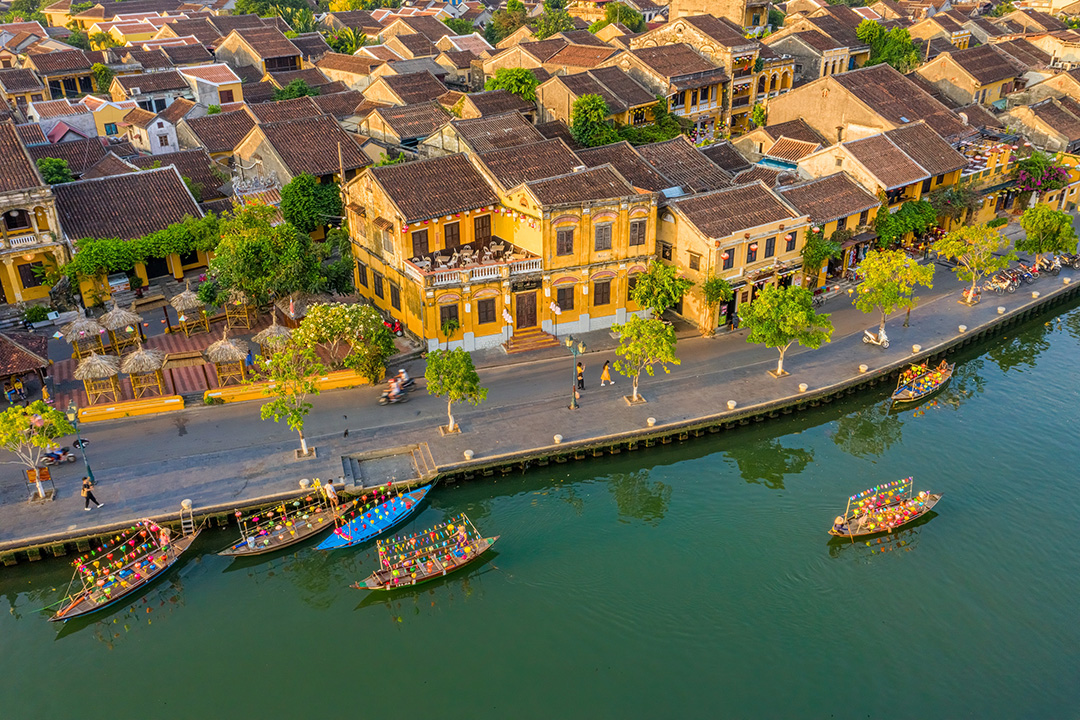
- Hoi An Ancient Town: Just a 5-minute drive away, this UNESCO World Heritage site is a must-visit. After the tranquility of the pagoda. You can immerse yourself in the vibrant energy of its yellow-walled houses, colorful lanterns, bustling markets, and iconic Japanese Covered Bridge.
- Fujian Assembly Hall: Located within the Ancient Town, this is one of the most magnificent assembly halls. Its ornate gates, vibrant dragon-themed courtyards, and intricate statues offer a fascinating comparison to the more subdued style of Chuc Thanh Pagoda.
- Phuoc Lam Pagoda: Another significant and beautiful pagoda located nearby. Visiting both Chuc Thanh and Phuoc Lam provides a deeper understanding of the different Buddhist sanctuaries that exist just outside the main tourist area of Hoi An.
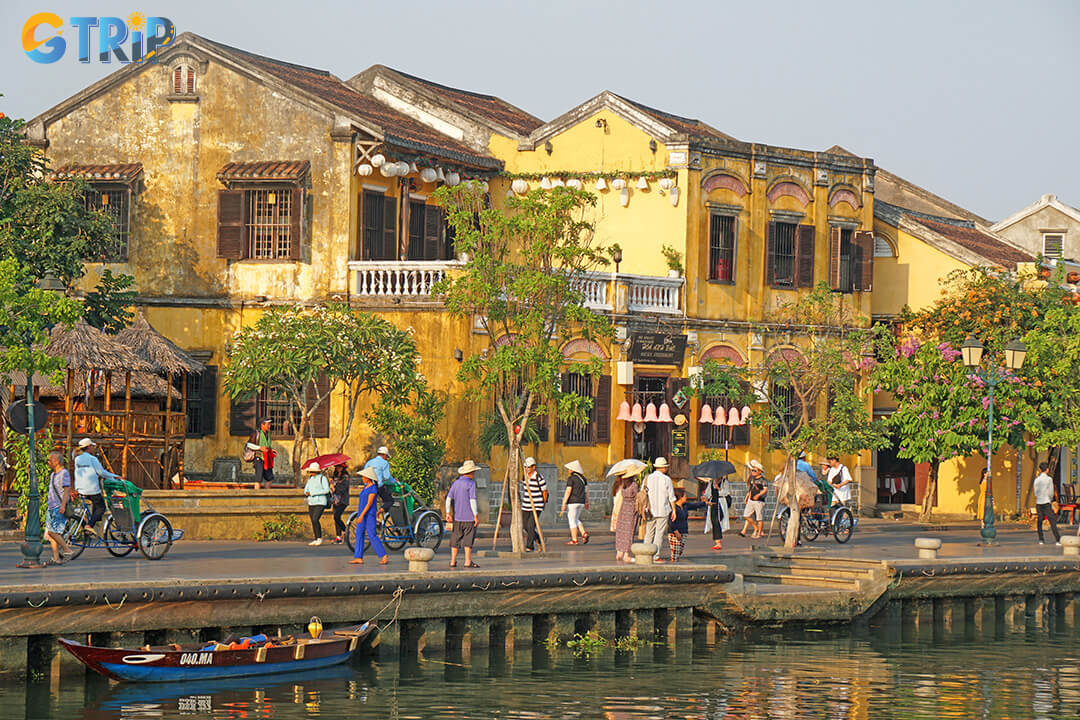
Easily pair your visit to Chuc Thanh Pagoda with nearby highlights like Hoi An Ancient Town, Fujian Assembly Hall, and Phuoc Lam Pagoda for a richer experience
Practical tips for visitors when visiting Chuc Thanh Pagoda in Hoi An
To have a smooth and respectful visit to Chuc Thanh Pagoda, keep these practical tips in mind:
- Dress appropriately: Cover shoulders and knees before entering worship areas. Free cover-up robes are available near the entrance (right side, under a large tree).
- Keep quiet: Maintain a low voice and switch your phone to silent mode, as this is an active place of worship.
- Photography etiquette: Avoid taking close-up photos of monks or locals without permission. Do not use flash inside prayer halls.
- Remove shoes: Take off shoes and hats before entering the main halls.
- Respect boundaries: Do not enter monks’ living quarters or restricted areas (usually marked by signs).
- Do not touch artifacts: Statues, altars, and carvings are old and fragile, look, don’t touch.
- Donations: Entry is free, but small donations are appreciated to help maintain the pagoda.
- Weather prep: Bring sunscreen, a hat, and water in the dry season (Feb-Aug), or a raincoat/umbrella in the rainy season (Sep-Jan).
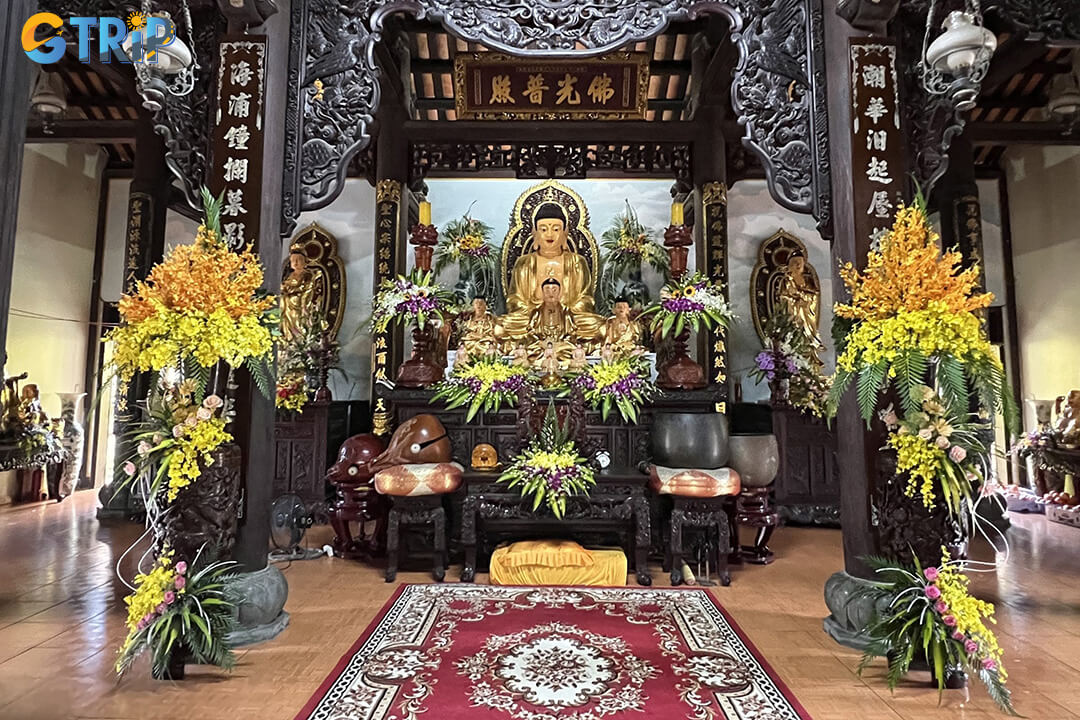
Follow simple etiquette, dress modestly, and prepare for the weather to ensure a smooth and respectful visit to Chuc Thanh Pagoda
A journey to Chuc Thanh Pagoda is an invitation to slow down and connect with the spiritual heart of Hoi An. It offers a unique spiritual and historical experience that stands in beautiful contrast to the lively energy of the Ancient Town, providing a moment of peace and a deeper understanding of the local culture. By stepping through its ancient gates, you are stepping back in time and gaining a profound appreciation for a side of Hoi An that many visitors miss. When planning your trip, consider combining this peaceful visit with thoughtfully curated Hoi An tours to explore nearby temples, traditional villages, and cultural landmarks in a deeper way. Let GTrip help you explore the hidden gems of Hoi An and beyond.
Custom Your Journey

Other Attractions
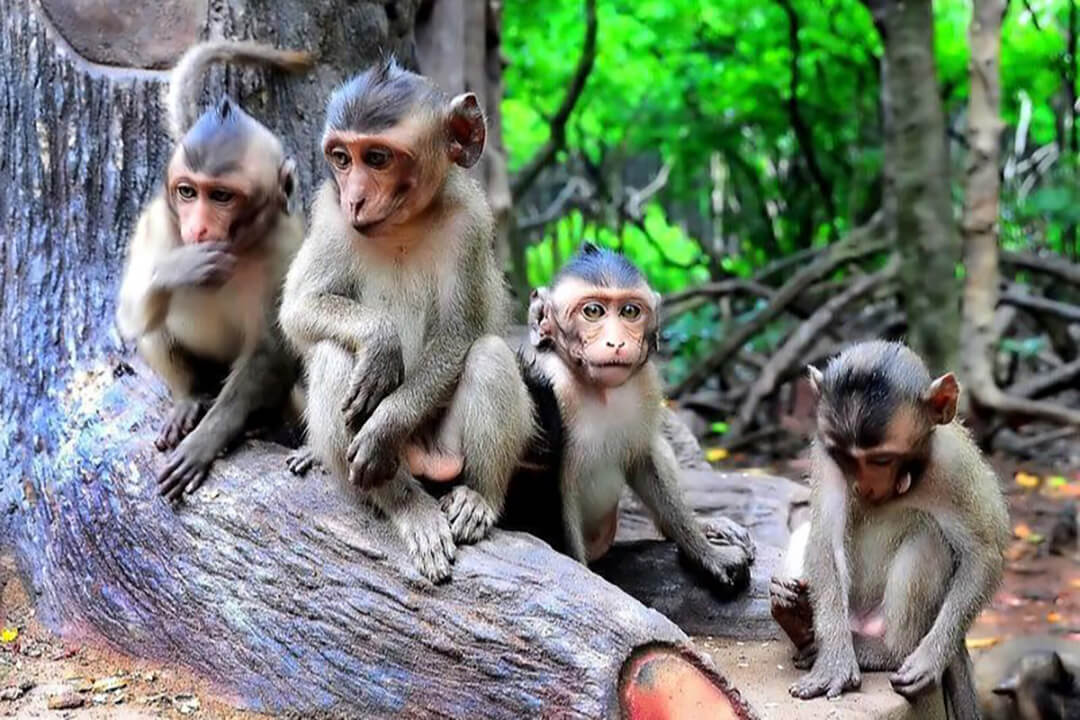
Can Gio Monkey Island in Ho Chi Minh City: Tickets, Things to Do & Travel Guide
Can Gio Monkey Island
Can Gio Monkey Island in Ho Chi Minh City offers a refreshing escape from the city’s buzzing motorbike chaos. Just a short distance from the center, Can Gio welcomes you with lush mangrove forests, winding waterways, and a fascinating history. Here, you can meet playful long-tailed macaques, drift through tranquil channels, and explore remnants of a wartime guerrilla base.
Can Gio Monkey Island in Ho Chi Minh City: Tickets, Things to Do & Travel Guide
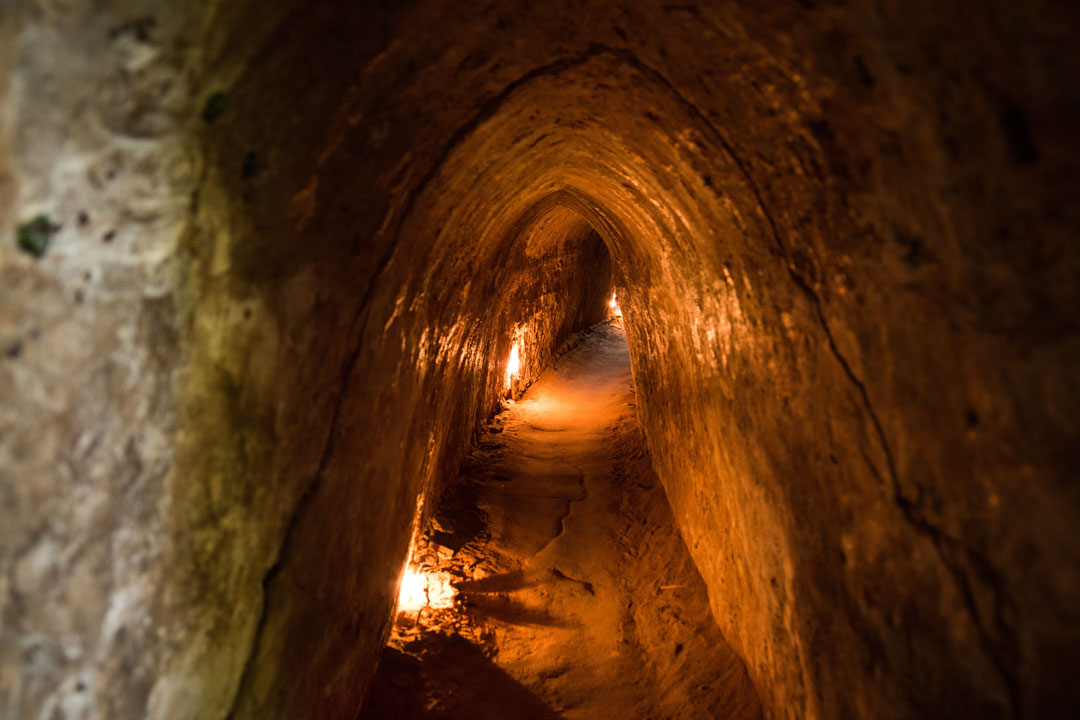
Cu Chi Tunnels: History, Architecture, Things To Do & Travel Guide
Cu Chi Tunnels
The Cu Chi Tunnels, located at TL15, Phu Hiep, Cu Chi District, Ho Chi Minh City, are a vast underground network of strategic passages, shelters, supply routes, and defensive traps.
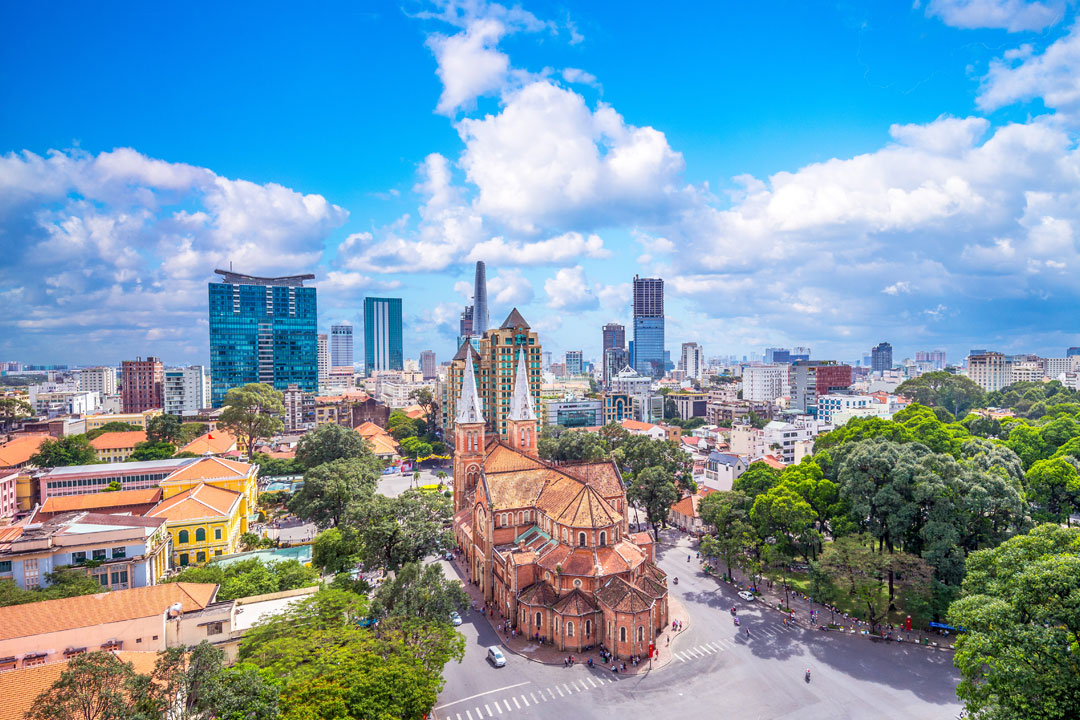
Ho Chi Minh City
Ho Chi Minh City, known as the "Pearl of the Far East," attracts both domestic and foreign tourists with its unique and diverse destinations.
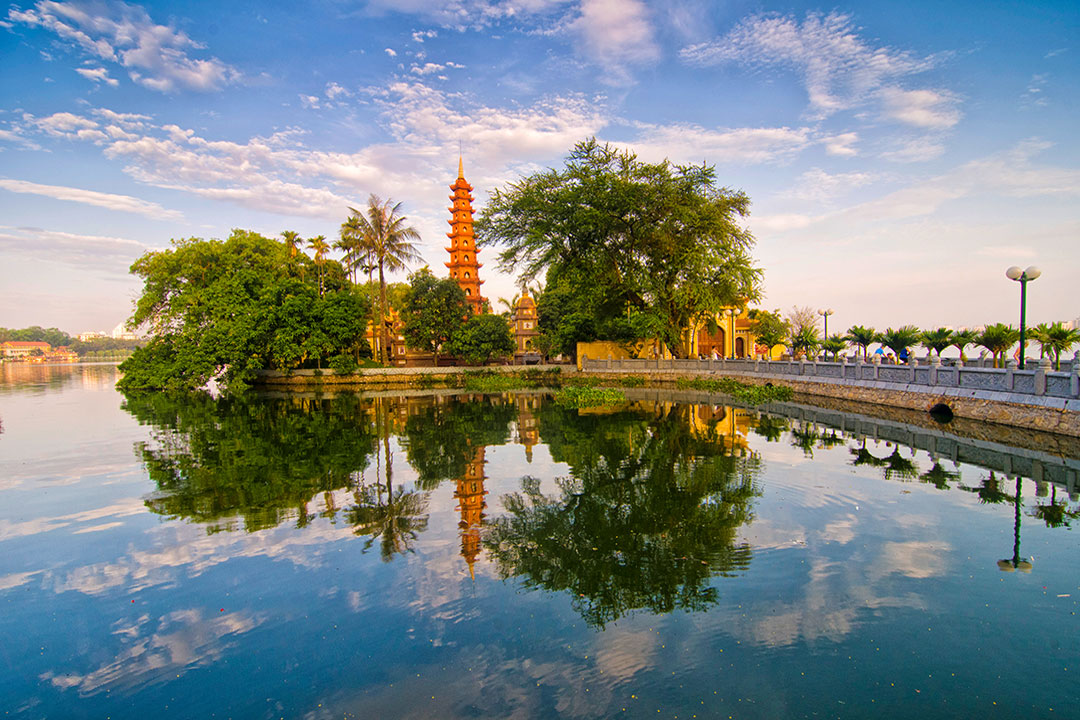
Tran Quoc Pagoda: History, Architecture, Significance & Travel Guide
Tran Quoc Pagoda
Nestled on the tranquil shores of West Lake, Tran Quoc Pagoda is the oldest Buddhist temple in Hanoi, with a history spanning over 1,500 years. Built in the 6th century under Emperor Ly Nam De, this sacred site reflects Vietnam’s Buddhist evolution while preserving its spiritual and architectural grandeur.