

Tuesday, October 13, 2026
The Hoi An Prison offers a profound glimpse into a side of the city that exists far beyond its famous lanterns and ancient streets. Tucked away from the bustling tourist center, this significant historical site provides a raw, unfiltered look into the struggles and resilience of the Vietnamese people during the French colonial and American war periods. While many visitors miss it, those who seek a deeper understanding of Vietnam's past will find the journey invaluable. This comprehensive GTrip guide covers the prison's complete history, what makes it a unique stop, practical visitor information like opening hours and how to get there, and tips to make your visit meaningful. It's the only resource you'll need to explore one of Hoi An's most important Vietnam War sites.
Overview of the Hoi An Prison
- Address: 240/12 Ly Thuong Kiet Street, Hoi An Ward (formerly Son Phong Ward, Hoi An City, Quang Nam Province), Da Nang City
- Opening hours:
- Monday - Friday: 7:30 AM - 11:30 AM, 2:00 PM - 5:00 PM
- Saturday & Sunday: Closed
- Entrance fee: Free
- Best time to visit: Weekday mornings to ensure it's open and to have a quiet, reflective experience before the midday heat and closure.
Hoi An Prison (Hoi An Prison Relic), also known as Xom Moi Prison, is a quiet and still relatively unknown site, even among many resort guests. It does not appear on most tourist maps and is not easy to find. Tucked away in a residential neighborhood at the end of a narrow alley, the entrance is a large iron gate set between houses, marked by a small sign that can be easily overlooked at first glance.
Far removed from the busy tourist attractions, the site preserves much of its original cell blocks and structures once used to detain Vietnamese patriots and revolutionaries. Unlike more prominent museums, it presents history in a raw and unembellished way. The somber atmosphere, combined with well-preserved artifacts, offers a powerful reminder of the harsh conditions prisoners endured during some of the most significant conflicts in Vietnam’s modern history.
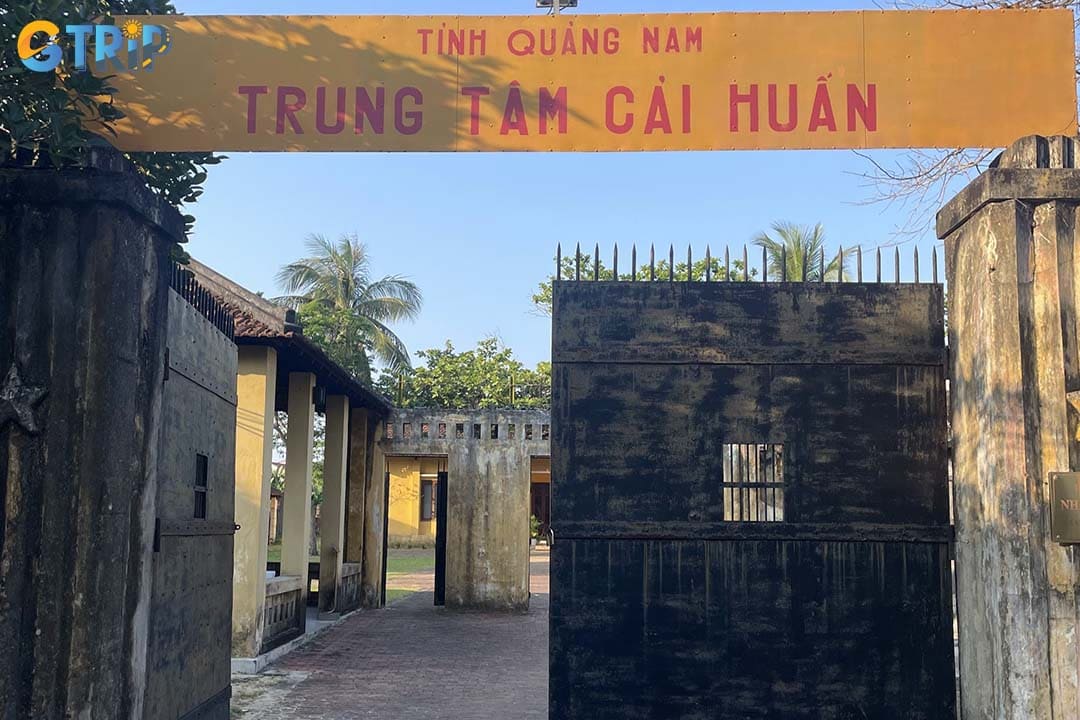
Hoi An Prison provides a raw, unfiltered look into the struggles and resilience of the Vietnamese people
What makes Hoi An Prison unique?
What makes Hoi An Prison unique is its raw, non-commercialized preservation of history, offering a somber and authentic experience away from the main tourist trail. It provides a quiet space for reflection on the human cost of war, standing in stark contrast to the lively energy of Hoi An's Ancient Town. Its status as one of the best free things to do in Hoi An makes it an accessible and essential stop for budget-conscious travelers interested in local history.
- It was the largest prison in Quang Nam province during the Vietnam War.
- Its hidden location offers an unfiltered, non-commercialized historical experience.
- It preserves original cell blocks and artifacts from two major conflicts: the French colonial era and the Vietnam War.
- It provides detailed English documentation, making the historical context accessible to international visitors.
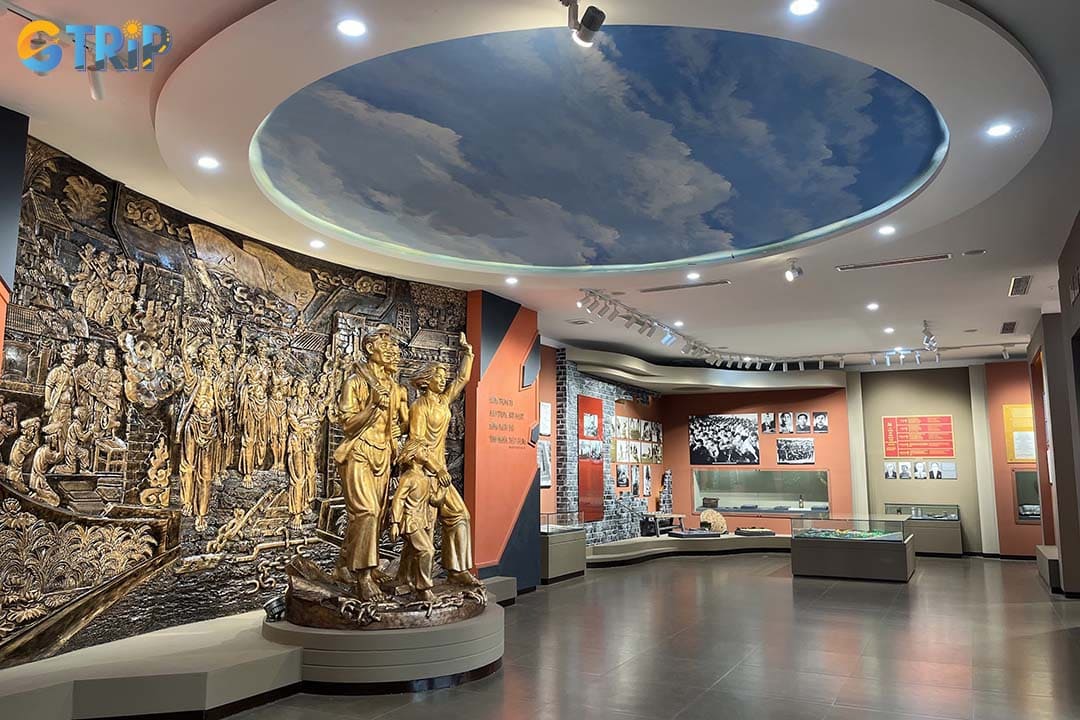
You can learn more about the past of Hoi An when exploring the documents there
History of the Hoi An Prison
The Hoi An Prison stands as a somber monument to a critical period in Vietnam's struggle for independence. Originally a French colonial facility, it evolved into a significant detention center under the American-backed regime, witnessing decades of suppression and fierce resistance. This site is a testament to the unwavering spirit of Vietnamese patriots during a tumultuous era.
| Year | Event | Description |
|---|---|---|
| 1955 | Continued use of Thong Dang Prison | French-built prison repurposed by US-backed regime for political prisoners. |
| Late 1958 | Construction of Hoi An Prison (Xom Moi Prison) | Built due to overcrowding at Thong Dang; completed and operational by 1960. |
| June 1960 | Transfer of prisoners | All political prisoners from Thong Dang moved to the newly constructed Hoi An Prison. |
| 1960-1975 | Operation as key detention center | Detained thousands of revolutionary cadres and patriots from Quang Nam Province. |
| July 14, 1967 | Hoi An armed forces raid | Over 1,000 prisoners were liberated in a daring and successful attack. |
| March 27, 1975 | Liberation by revolutionary forces | Thousands of political prisoners were freed one day before Hoi An’s liberation. |
| 2007 | Recognition as historical relic | Designated as a provincial historical revolutionary relic. |
| 2012 | Restoration and public opening | Over 19 billion VND invested in preservation, reopened to the public as a "living history classroom". |
The areas of the Hoi An Prison
The prison complex is small but well-preserved, allowing visitors to walk through the original grounds and understand its layout. The site is divided into several key areas, each providing a glimpse into the harsh realities faced by prisoners.
- Exhibition hall: Located at the center, directly facing the main entrance, this hall, opened in late 2023, houses over 150 images, artifacts, and documents. It serves as the primary informational hub, detailing the prison’s history and the resilience of its inmates.
- Male cell block: Situated on the left side of the complex, this block features multiple cramped cells designed for male political prisoners. Recreations with life-sized models depict the harsh conditions, including prisoners in shackles and suffering from various ailments.
- Female cell block: Located on the right side, parallel to the male block, this area was dedicated to female political detainees. Similar to the male block, its cells were suffocating, with poor ventilation and minimal light, showcasing the severe environment endured by women.
- Solitary confinement area (isolation cells): Positioned behind the exhibition hall, these individual cells were used for extreme punishment. They highlight the most brutal aspects of the prison regime, where isolation and deprivation were used as tools of torture.
- Watchtower: Located behind the exhibition hall, this tower was strategically positioned to provide guards with an elevated vantage point over the entire prison yard and cell blocks, ensuring strict surveillance and control.
- Defensive bunker: Situated to the northeast, behind the exhibition area, this fortified structure was part of the prison's robust security system, designed to repel any potential external attacks or escape attempts.
- Medical and administrative area: Located at the rear, near the watchtower, this section housed the prison’s infirmary and offices. While seemingly functional, medical care was often inadequate, and administrative offices were central to the oppressive regime.
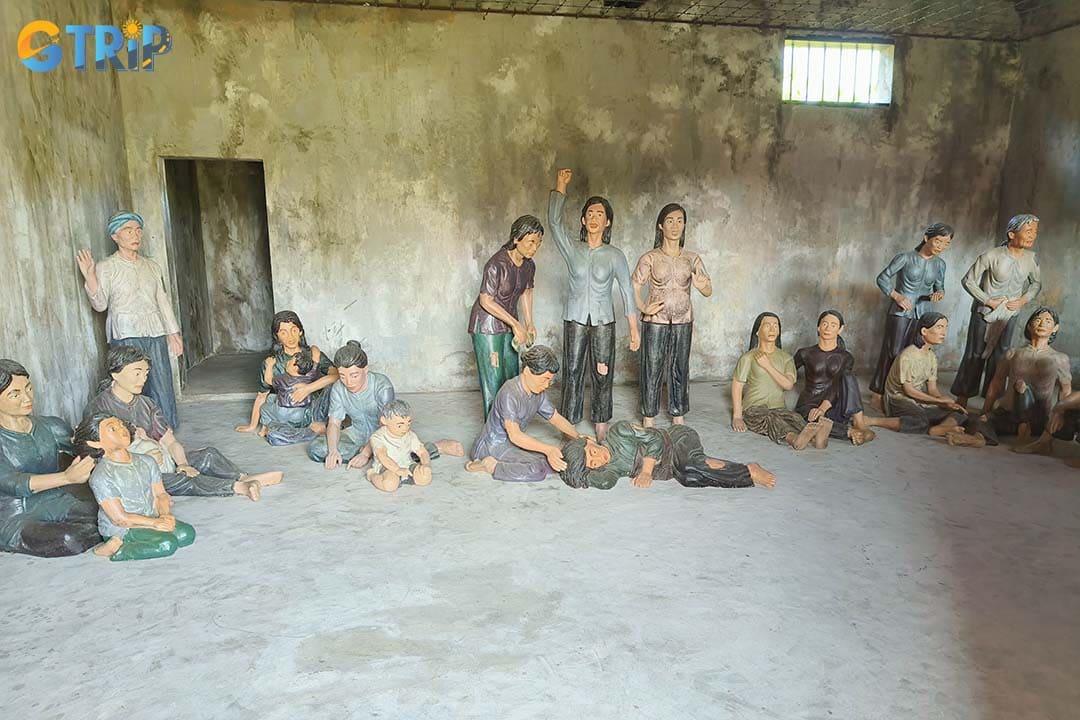
Each area of the Hoi An Prison provides a glimpse into the harsh realities faced by prisoners




Things to do at Hoi An Prison
Visiting Hoi An Prison is not merely a sightseeing trip; it's an immersive journey into a pivotal chapter of Vietnamese history. To truly appreciate the significance of the site, take your time and engage with the exhibits thoughtfully.
Explore the haunting cell blocks
Step into the past as you navigate the authentic cell blocks of Hoi An Prison. Pay close attention to the oppressive architecture, which starkly reflects the cramped, unsanitary, and brutal conditions endured by thousands of prisoners. Visitors can observe the distinct types of cells, from the chilling solitary confinement rooms designed for extreme isolation to the larger, yet still incredibly restrictive, communal cells. These areas offer a tangible sense of the physical and psychological torment inflicted within these walls.
Delve into historical documentation
The exhibition hall is a cornerstone of your visit. Dedicate ample time to reading the meticulously preserved documentation, which includes personal stories, historical accounts, and official documents. These narratives provide a powerful, human-centered perspective, bringing the site's complex history to life and allowing visitors to connect with the struggles and unwavering spirit of the Vietnamese patriots.
Observe poignant artifacts and recreations
Beyond the written accounts, the prison houses a collection of poignant artifacts that offer a tangible link to the past. Look for personal items such as old uniforms, rudimentary handcrafted tools made by prisoners, and faded photographs. Additionally, the site features compelling, life-sized recreations that vividly depict scenes of daily life, torture, and resistance within the prison. These objects and visual aids help bridge the gap between historical fact and personal experience, making the stories of the inmates incredibly real.
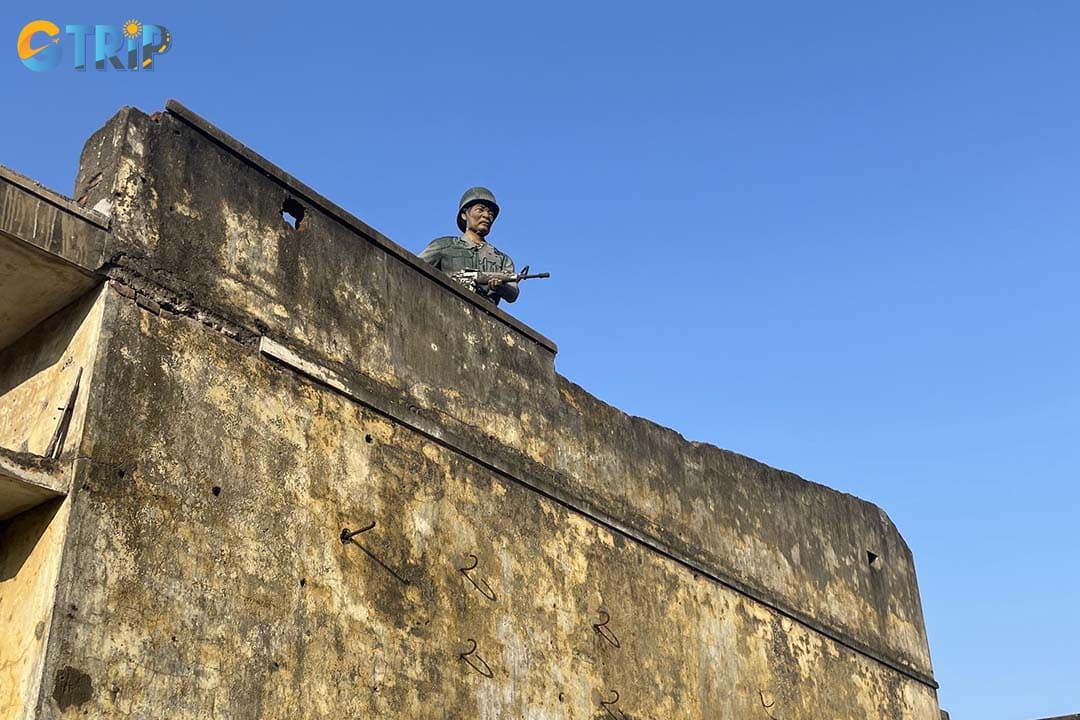
Hoi An Prison features compelling, life-sized recreations that vividly depict scenes of daily life, torture, and resistance within the prison
How to get to Hoi An Prison?
Located just outside the heart of Hoi An Ancient Town, Hoi An Prison is relatively easy to access from nearby areas and major transport hubs. Here’s how to get there efficiently.
From Da Nang International Airport
From the airport, reaching Hoi An Prison is straightforward via coastal or inland routes. Most visitors opt for a private car or taxi for convenience, especially with luggage.
- Distance: ~30 km
- Travel time: 45-60 minutes
- Routes: Vo Nguyen Giap coastal road or National Highway 1A → Hoi An → Ly Thuong Kiet Street
- Optimal option: Private car/taxi for comfort and direct drop-off near the entrance alley
From Da Nang City center
From central Da Nang, you can easily travel south to Hoi An. The route is scenic and well-connected, making it ideal for both self-driving and hired transport.
- Distance: ~28-30 km
- Travel time: 45-70 minutes
- Routes: Coastal road (Vo Nguyen Giap - Lac Long Quan) or inland highway → Hoi An
- Optimal option: Motorbike for flexibility or taxi for a hassle-free trip
From around Hoi An Ancient Town
The prison sits just outside the tourist core, within walking or short riding distance. However, the entrance is slightly hidden in a small alley off Ly Thuong Kiet Street.
- Distance: 1-2 km
- Travel time: 5-15 minutes
- Routes: Head to Ly Thuong Kiet Street → find a small passage between houses → walk ~100m to the gate
- Optimal option: Walking or cycling; use a map to locate the exact alley entrance
Transportation options
Visitors can access Hoi An Prison using various transport modes depending on distance and budget. Note that vehicles must stop outside, the final access is on foot via a narrow alley.
- Walking/Bicycle: Best for nearby areas like Minh An or Son Phong
- Motorbike: Flexible, easy parking at a nearby community house
- Taxi/Car: Convenient for groups or from Da Nang
- Electric car/Shuttle: Common within Hoi An for short transfers
- Cyclo/Bus: Slower but more local experience
Tip: Look for a small sign on Ly Thuong Kiet Street, this is the easiest way to find the hidden entrance.
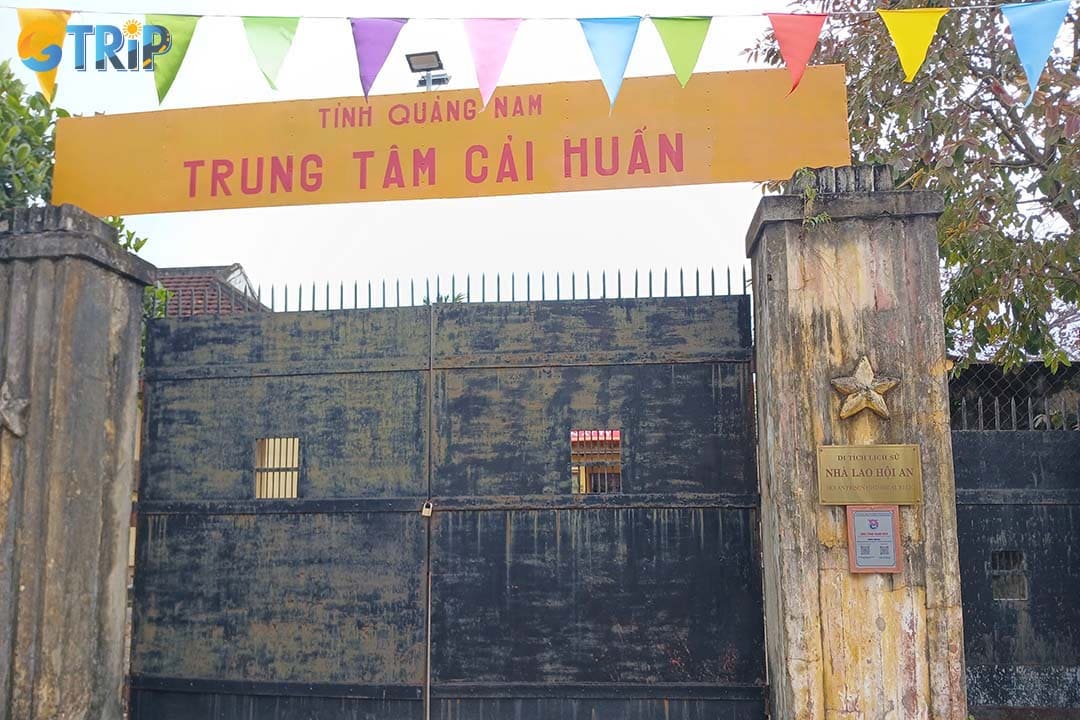
Hoi An Prison is easy to access from many places
Nearby attractions to the Hoi An Prison
After your visit, you can easily explore other notable sites in Hoi An, many of which are just a short walk or bike ride away.
- Hoi An Ancient Town: The iconic UNESCO World Heritage site, filled with ancient houses, temples, and lantern-lit streets, is less than a 15-minute walk away.
- Hoi An Market: Experience the vibrant energy of a traditional Vietnamese market, bustling with vendors selling fresh produce, street food, and local crafts.
- Museum of Trade Ceramics: Located in the Ancient Town, this museum showcases Hoi An's rich history as a major international trading port.
- Cantonese Assembly Hall: An ornate and beautifully preserved gathering place built by Cantonese merchants, featuring stunning architecture and intricate carvings.
- Japanese Covered Bridge: The most famous landmark in Hoi An, this historic bridge is a beautiful symbol of the town's multicultural past.
Practical tips for visitors
A visit to Hoi An Prison is more than just sightseeing. It’s a quiet moment to reflect on history. A little preparation will help you navigate the site smoothly and make the experience more meaningful.
- Dress appropriately: As a historical and memorial site, modest clothing (covered shoulders and knees) is recommended.
- Check opening hours carefully: The site is closed on weekends and pauses midday (11:30 AM - 2:00 PM). Weekday mornings or late afternoons are your safest window.
- Find the hidden entrance easily: The gate sits in a small alley at 242/12 Ly Thuong Kiet, use Google Maps and watch for a small sign.
- Plan your visit time: Spend at least 45-60 minutes to explore the exhibits and understand the historical context without rushing.
- Prepare for the weather: In the dry season (Feb-Aug), bring sunscreen, sunglasses, a hat, and water; in the rainy season (Sep-Jan), pack a raincoat or umbrella along with waterproof footwear.
- Bring your own water: There are no on-site services, so stay hydrated especially in the heat.
- Consider a local guide: Visiting with a guide can add valuable historical insights, especially when combine it with Hoi An Ancient Town.
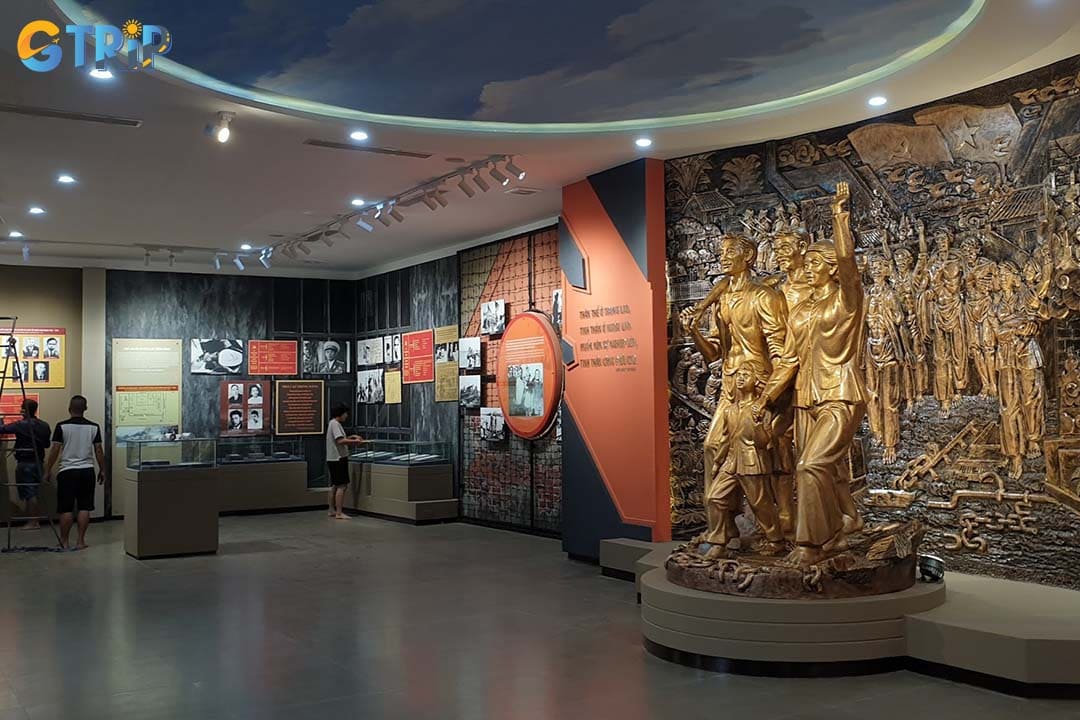
Remember tips to have a good trip to Hoi An Prison
While Hoi An is rightfully celebrated for its picturesque streets, tailor shops, and glowing lanterns, a visit to the Hoi An Prison offers a different, yet equally important, perspective. It provides a necessary and profound understanding of the deep-rooted resilience that defines this region. By stepping away from the crowds and into this quiet space, you connect with the city's poignant past and honor the memory of those who fought for the Vietnam of today. For any traveler seeking a more complete picture of Hoi An, this moving and reflective experience is an essential part of Hoi An tours with GTrip.
Custom Your Journey

Other Attractions

Can Gio Monkey Island in Ho Chi Minh City: Tickets, Things to Do & Travel Guide
Can Gio Monkey Island
Can Gio Monkey Island in Ho Chi Minh City offers a refreshing escape from the city’s buzzing motorbike chaos. Just a short distance from the center, Can Gio welcomes you with lush mangrove forests, winding waterways, and a fascinating history. Here, you can meet playful long-tailed macaques, drift through tranquil channels, and explore remnants of a wartime guerrilla base.
Can Gio Monkey Island in Ho Chi Minh City: Tickets, Things to Do & Travel Guide
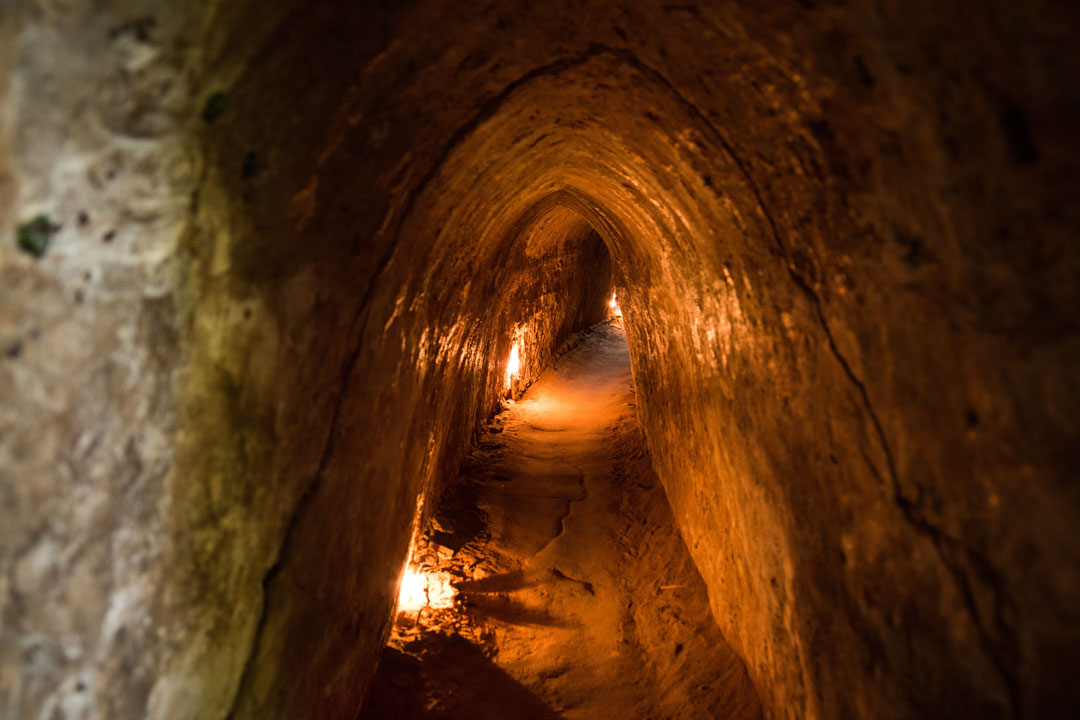
Cu Chi Tunnels: History, Architecture, Things To Do & Travel Guide
Cu Chi Tunnels
The Cu Chi Tunnels, located at TL15, Phu Hiep, Cu Chi District, Ho Chi Minh City, are a vast underground network of strategic passages, shelters, supply routes, and defensive traps.
Ho Chi Minh City
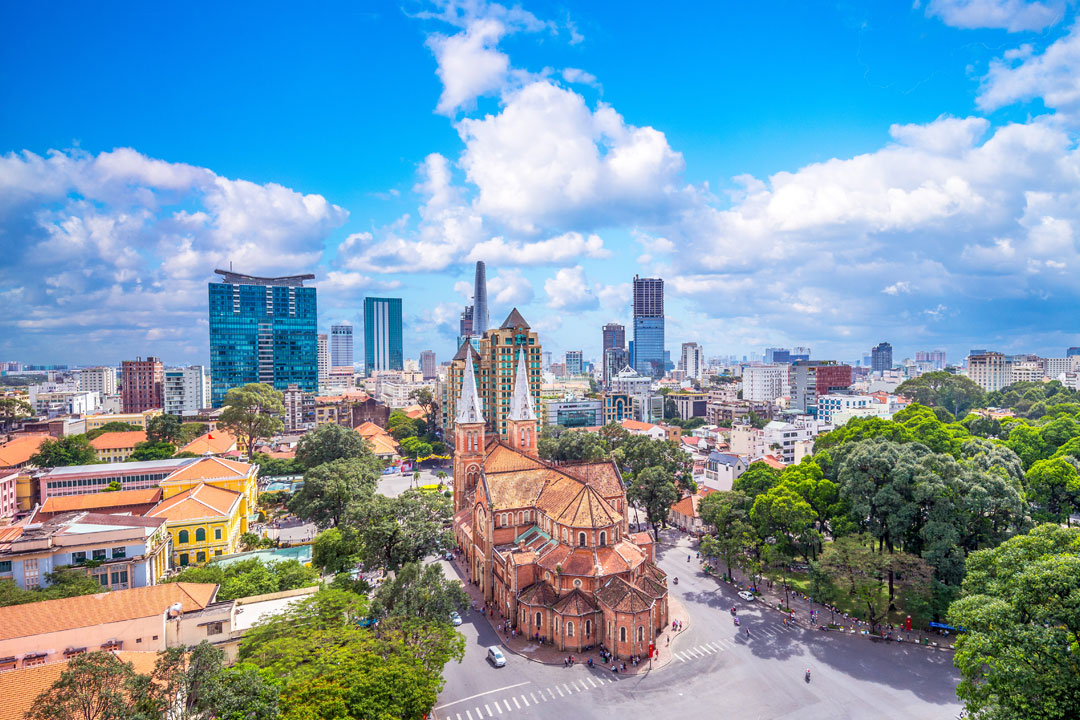
Ho Chi Minh City, known as the "Pearl of the Far East," attracts both domestic and foreign tourists with its unique and diverse destinations.

Tran Quoc Pagoda: History, Architecture, Significance & Travel Guide
Tran Quoc Pagoda
Nestled on the tranquil shores of West Lake, Tran Quoc Pagoda is the oldest Buddhist temple in Hanoi, with a history spanning over 1,500 years. Built in the 6th century under Emperor Ly Nam De, this sacred site reflects Vietnam’s Buddhist evolution while preserving its spiritual and architectural grandeur.