

Tuesday, October 13, 2026
Hoi An Silk Village offers a fascinating look into Vietnam’s 300-year silk heritage, guiding visitors from mulberry cultivation to the creation of elegant, handcrafted garments. More than a typical attraction, this living museum lets you see, touch, and understand the entire silk-making process in one beautifully preserved setting. You can explore traditional houses, watch artisans at work, and learn how Hoi An became a historic silk trading hub. This GTrip guide covers everything you need to know, including history, must-do experiences, ticket prices, what to expect, and practical tips for a smooth and worthwhile visit.
Table of Content
- Overview of Hoi An Silk Village
- What makes Hoi An Silk Village unique?
- History of Hoi An Silk Village
- Top 11 things to do at Hoi An Silk Village
- 1. Visit the traditional Ruong house
- 2. Admire the ao dai and ethnic costume collection
- 3. Explore the mulberry garden
- 4. Visit the silk product showroom
- 5. Learn how to distinguish real silk
- 6. Discover Cham culture and traditional weaving techniques
- 7. Visit the Cham weaving house
- 8. Explore the Nine Palaces exhibition area
- 9. Try hands-on silk weaving activities
- 10. Buy silk souvenirs and handmade gifts
- 11. Enjoy local dishes at the Silk Village restaurant
- How to get to Hoi An Silk Village?
- Nearby attractions to the Hoi An Silk Village
- Practical tips for visitors
Overview of Hoi An Silk Village
Hoi An Silk Village (Lang lua Hoi An in Vietnamese) is designed as a cultural attraction that combines exhibitions, demonstrations, and hands-on experiences in one place. Before planning your visit, it helps to know essential details such as location, opening hours, ticket prices, and the most suitable time to go. The following practical information provides a quick overview to help you organize your trip efficiently.
Where is Hoi An Silk Village?
Address: 28 Nguyen Tat Thanh Street, Hoi An Tay Ward (formerly Hoi An City, Quang Nam Province), Da Nang City
Hoi An Silk Village is located on Nguyen Tat Thanh Street, a main road connecting Hoi An Ancient Town with surrounding areas. The site sits slightly outside the busy old town, offering a quieter space while still remaining convenient for visitors. Its position makes it easy to reach by bicycle, taxi, or motorbike when traveling from central Hoi An.
From Hoi An Ancient Town, the village is about two kilometres to the northwest. It is also around 27 km from Da Nang City center and roughly 120 km southeast of Hue, making it suitable for a short visit or a stop on a broader Central Vietnam itinerary.
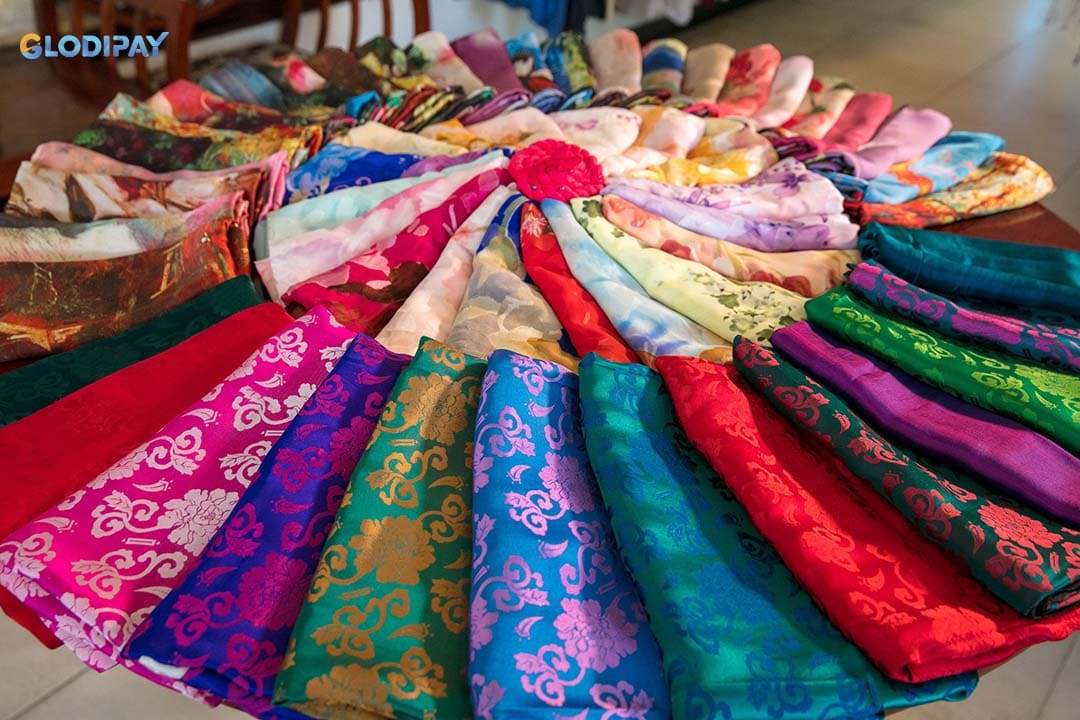
Hoi An Silk Village offers a fascinating look into Vietnam’s 300-year silk heritage
Details opening hours & ticket prices
Hoi An Silk Village offers several ticket options, ranging from self-guided visits to guided tours with in-depth cultural experiences. Opening hours are consistent throughout the day, while tour schedules vary depending on the type and level of activities included. Visitors can choose a quick exploration, a short guided introduction, or a longer immersive program with hands-on silk weaving and dining. The table below summarizes the opening hours, ticket prices, and key highlights for each option.
| Tour type | Ticket price | Time | Duration | Information |
|---|---|---|---|---|
| Self-guided visit | 50,000 VND/person (~$1.92) | 8:00 AM - 5:00 PM | Flexible | Freely explore the traditional house, mulberry garden, weaving areas, and exhibition spaces. Suitable for visitors who prefer a quick visit and flexible schedule. |
| Short guided tour | 100,000 VND/person (~$3.83) | 8:00 AM - 5:00 PM | ~45 minutes | Includes visits to the traditional house, mulberry garden, silk unraveling area, and Cham weaving house. Learn about sericulture history, silk-making process, and how to distinguish real silk. English/French-speaking guide and drinking water included. |
| In-depth long tour | 560,000 VND/person ($21.45) without transport 890,000 VND/person ($34.09) with transport | Starting 9:00 AM or 2:00 PM | ~4 hours | Full itinerary covering Cham culture, mulberry garden, unraveling house, weaving areas, Cuu Dien house, and exhibition. Includes hands-on weaving with artisans, guide, hotel pick-up/drop-off in Hoi An, and lunch or dinner at the Silk Village restaurant. |
Best time to visit Thanh Hoi An Silk Village
Ideal time: August to January for more pleasant weather and comfortable sightseeing conditions
Hoi An Silk Village can be visited year-round, but weather conditions influence the overall experience, especially when exploring outdoor areas such as the mulberry garden and weaving houses. The months from late summer to early winter usually bring cooler temperatures and less intense sunlight, making it more comfortable to walk around, join demonstrations, and spend more time discovering the village.
What makes Hoi An Silk Village unique?
Hoi An Silk Village stands out for preserving a complete silk-making heritage while presenting it in a single cultural complex. The site was developed to revive Quang Nam’s traditional weaving craft and introduce its 300-year history to modern visitors through authentic demonstrations and curated exhibitions.
- Preserves traditional sericulture methods, from mulberry cultivation to hand weaving
- Recreates artisan life and showcases the heritage linked to the 17th-century maritime silk route
- Displays authentic Hoi An silk products alongside cultural exhibitions and galleries
- Combines experiences in one place: demonstrations, shopping, dining, and relaxation facilities
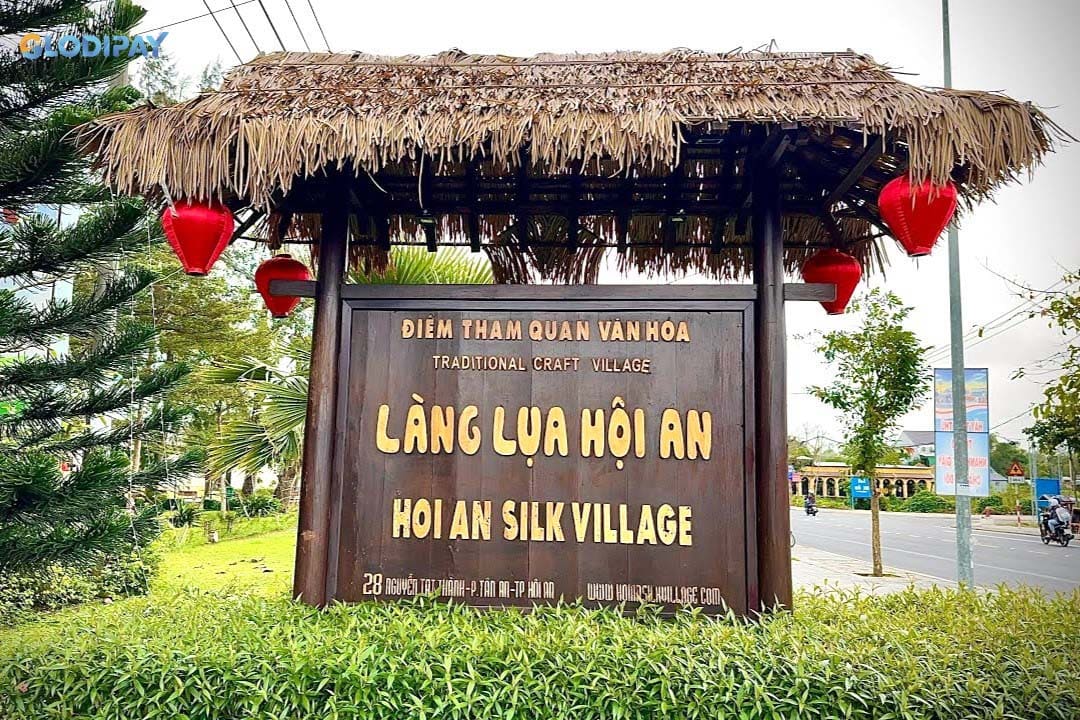
Hoi An Silk Village is famous for preserving a complete silk-making heritage and presenting it in a single cultural complex
History of Hoi An Silk Village
Hoi An’s connection to silk dates back several centuries, when the region of Dang Trong became a thriving center for sericulture and weaving. During the 16th and 17th centuries, villages around Hoi An were well known for their complete silk-making process. The process included cultivate mulberry trees, raise silkworms, reel threads, and weave fabrics entirely by hand. These meticulous techniques produced high-quality silk that was prized by royal courts, noble families, and affluent traders, while also becoming an important export commodity.
As Hoi An developed into a bustling international trading port, silk quickly gained attention from merchants arriving from both Eastern and Western countries. Traders recognized the craftsmanship and value of Quang Nam silk, actively purchasing raw silk and finished textiles for overseas markets. This demand helped position Hoi An as a significant stop along the historic maritime silk route, connecting regional artisans with global trade networks.
Today, the legacy of that prosperous silk tradition continues through Hoi An Silk Village. The site was established to preserve traditional techniques while introducing the heritage of silk weaving to modern visitors. By collaborating with other craft villages across Vietnam and engaging with regional and international silk organizations, the village aims to promote Vietnamese silk more widely. In the long term, it is envisioned not only as a cultural attraction but also as an important center for showcasing and distributing high-quality silk products.
Top 11 things to do at Hoi An Silk Village
Hoi An Silk Village offers a mix of cultural exhibits, traditional craft demonstrations, and hands-on experiences. Visitors can explore every stage of Vietnam’s traditional silk-making heritage in one place. Below are the most notable things to do when visiting Hoi An Silk Village.





1. Visit the traditional Ruong house
One of the most important highlights inside Hoi An Silk Village is the traditional Ruong house, a preserved wooden structure that reflects classic Central Vietnam architecture. The spacious building serves as a cultural centerpiece of the village. Inside, visitors can see the altar dedicated to Lady Tam Tang (Doan Quy Phi), who is associated with the preservation and development of silk weaving in the region. The house also displays historical artifacts and introduces the role of Hoi An in Vietnam’s long-standing silk tradition.
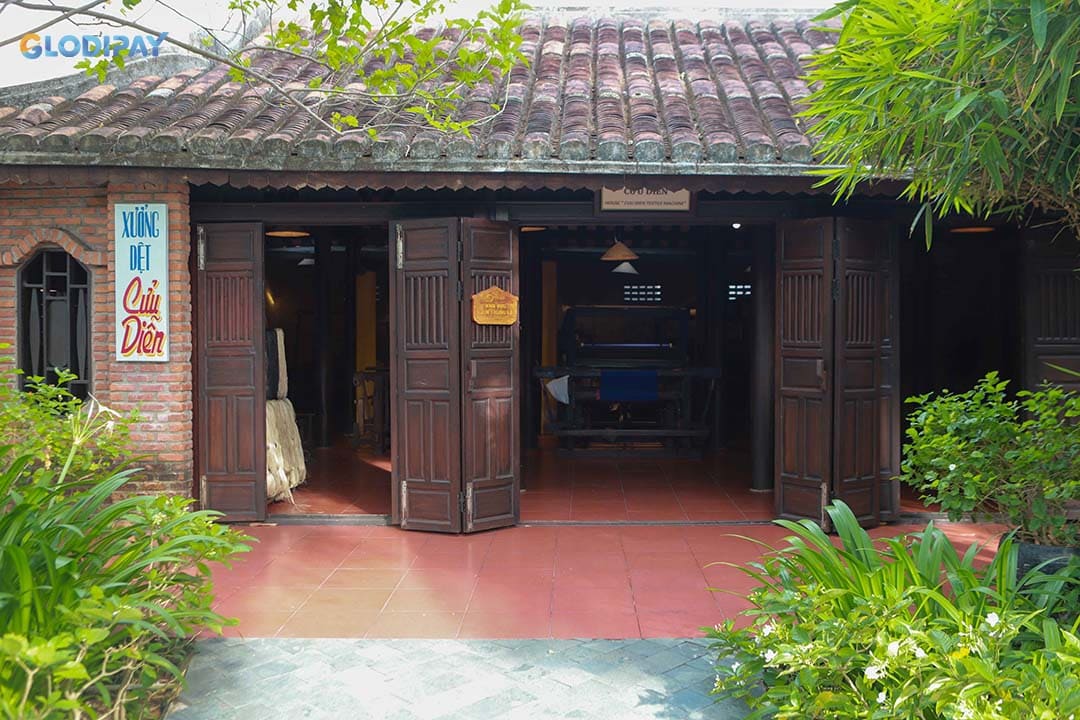
One of the most important highlights inside Hoi An Silk Village is the traditional Ruong house that you should not miss
2. Admire the ao dai and ethnic costume collection
Hoi An Silk Village features a curated display of silk garments, including ao dai and traditional outfits representing Vietnam’s 54 ethnic groups. The exhibition includes dozens of handcrafted designs made from silk, showcasing regional patterns, colors, and tailoring styles. This area highlights the diversity of Vietnamese textile culture while also demonstrating how silk has been used in traditional clothing throughout different historical periods.
3. Explore the mulberry garden
The mulberry garden offers insight into the first stage of silk production. Visitors can walk through the garden and learn about different mulberry varieties used to feed silkworms. The site also preserves an old mulberry tree associated with traditional sericulture practices in Quang Nam. Informational displays explain how farmers harvest leaves seasonally and maintain a continuous cycle to support silkworm cultivation.
4. Visit the silk product showroom
The silk showroom displays finished textiles and garments created by local artisans. Visitors can observe different silk textures, colors, and weaving styles in one place. Some areas also demonstrate traditional wooden looms, helping visitors understand how silk fabric is produced. The showroom functions both as an exhibition space and a place to learn about traditional silk craftsmanship.
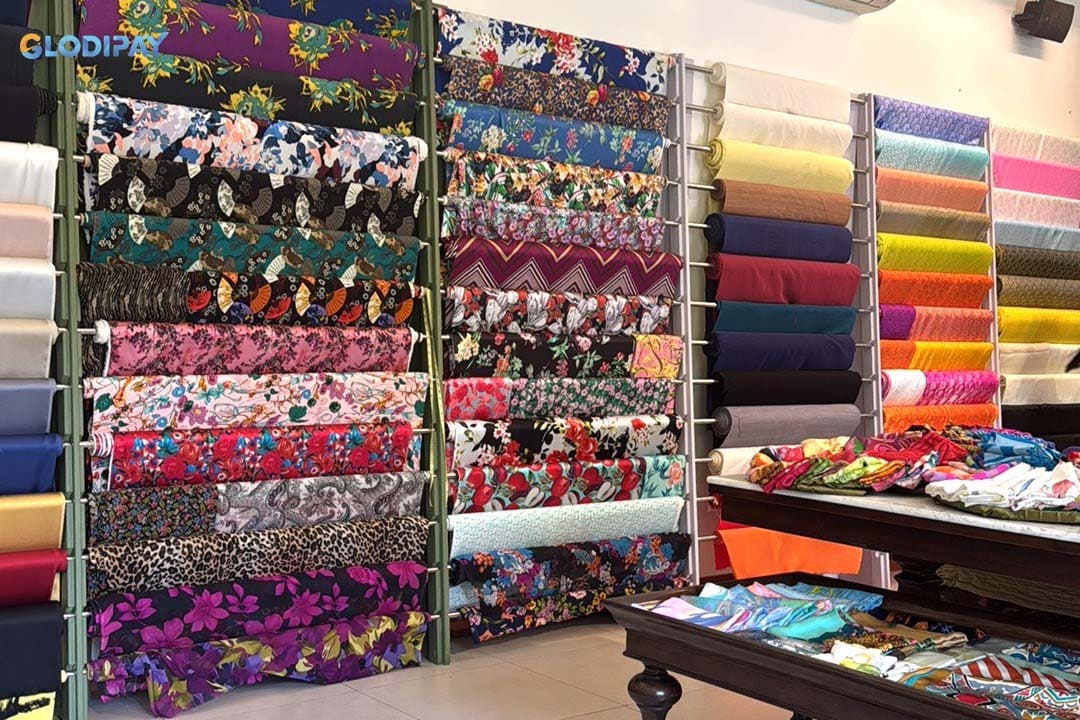
You can explore different kinds of silk product at the showroom
5. Learn how to distinguish real silk
Hoi An Silk Village introduces practical methods for identifying authentic silk. Guides explain the differences between pure silk, blended silk, and synthetic fabrics. Visitors can learn about texture, fiber structure, and traditional testing techniques. This educational activity helps travelers better understand the value and quality of handmade silk products.
6. Discover Cham culture and traditional weaving techniques
The village also preserves weaving techniques influenced by ancient Cham culture. Visitors can observe how threads are prepared, dyed, and arranged before weaving. Traditional Cham patterns are recreated using manual techniques that require careful thread counting and alignment. This section highlights the cultural connection between silk weaving and regional heritage in Central Vietnam.
7. Visit the Cham weaving house
At the Cham weaving house, visitors can see traditional looms used to produce patterned silk fabrics. Artisans demonstrate the weaving process step by step, from setting threads to completing decorative motifs. This is also an area where visitors can observe different types of looms used from historical to modern periods.
8. Explore the Nine Palaces exhibition area
The Nine Palaces area displays antiques and objects related to traditional craft villages. These items include tools, textiles, and historical materials collected to illustrate the development of silk production. The exhibition helps visitors better understand the cultural and historical background of sericulture in Hoi An.
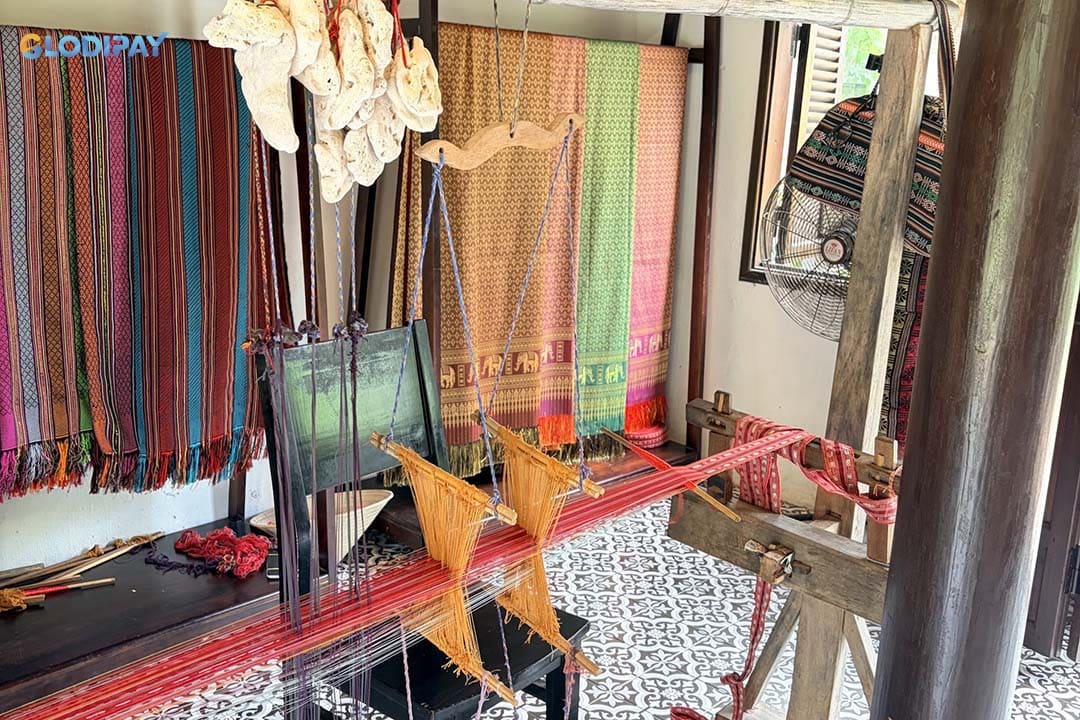
Visiting the Hoi An Silk Village offers visitors a chance to see antiques and objects about silk
9. Try hands-on silk weaving activities
Participating in hands-on silk-making activities is one of the main highlights at Hoi An Silk Village. Guides introduce each stage of the traditional process, from different silkworm varieties and cultivation methods to extracting silk threads from cocoons. Visitors can also handle raw materials and try basic weaving techniques to better understand how silk is produced.
The demonstration shows how labor-intensive the process is, as creating high-quality silk requires roughly 40 cocoons. Depending on fiber quality and processing time, prices vary, with premium silk fabrics reaching around 1,800,000 VND per meter (~$69).
10. Buy silk souvenirs and handmade gifts
When visiting Hoi An, especially Hoi An Silk Village, don’t miss the chance to buy silk products as souvenirs for family and friends. This is also a meaningful way to support local artisans and traditional craftsmanship. Visitors can choose from a wide range of items such as silk scarves, dresses, shirts, and blouses, all made from locally produced silk. Alternatively, you can purchase fabric and have it tailored later, as Hoi An is home to hundreds of tailor shops offering various styles. With reasonable prices and good quality, silk souvenirs here are both practical and culturally distinctive.
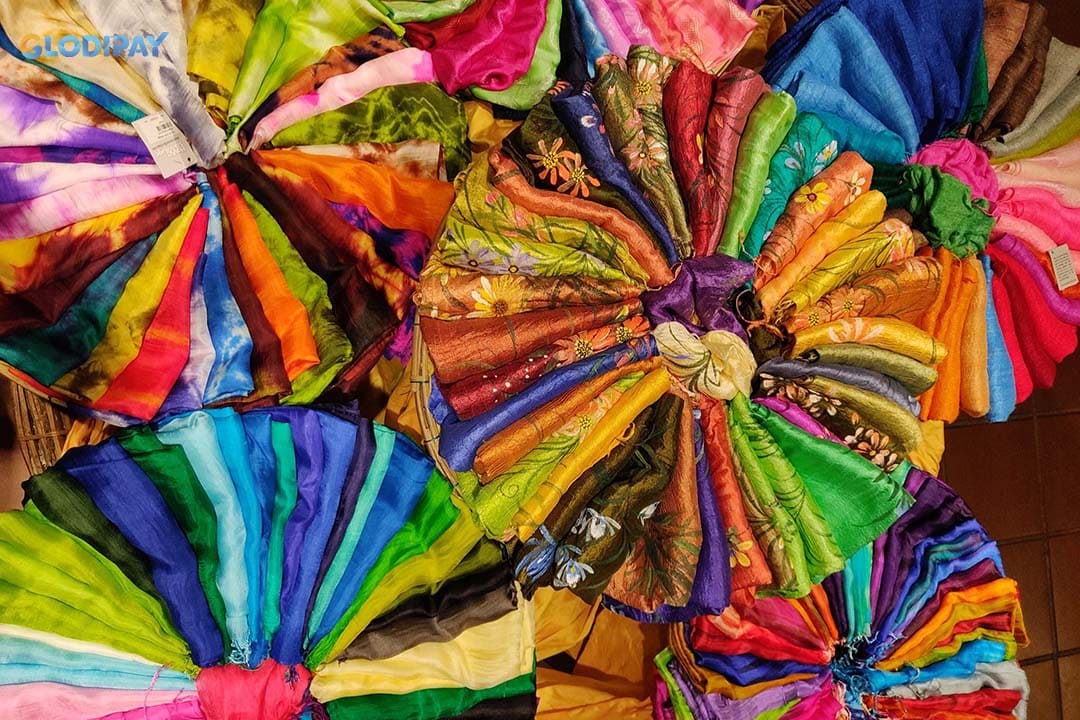
You should not miss a chance to buy silk souvenirs after exploring the Hoi An Silk Village
11. Enjoy local dishes at the Silk Village restaurant
The Silk Village restaurant offers a place to relax after exploring the site. The open-air dining area is designed with traditional decor inspired by local markets. Visitors can try regional specialties such as cao lau, banh xeo, mi Quang, banh beo, and other Hoi An dishes. The dining space complements the cultural experience while introducing local cuisine.
How to get to Hoi An Silk Village?
Hoi An Silk Village is located just outside Hoi An Ancient Town, making it easy to reach from nearby hubs like Da Nang International Airport, Da Nang City center, or within Hoi An itself. The sections below outline the most common routes, distances, and recommended options to help you plan efficiently.
From Da Nang International Airport
Hoi An Silk Village is accessible directly from Da Nang International Airport, making it convenient for first-time visitors. After landing, travelers can take a taxi, private car, or local bus toward Hoi An, then continue to the village located just outside the ancient town.
- Distance: ~30 km from Da Nang International Airport
- Travel time: 45-55 minutes
- Routes: Airport → Vo Nguyen Giap / National Highway 1A → Hoi An → Hung Vuong Street
- Optimal option: Taxi or private car for comfort; local bus + short taxi for budget travelers
From Da Nang City center
Traveling from Da Nang City center to Hoi An Silk Village is straightforward, with multiple transport options including motorbike, taxi, or bus. The route follows coastal roads or National Highway 1A, offering scenic views along the way.
- Distance: ~28-30 km
- Travel time: 45-60 minutes
- Routes: Da Nang - Hoi An coastal road or National Highway 1A via Vinh Dien
- Optimal option: Motorbike for flexibility; taxi/private car for fastest door-to-door transfer
From Hoi An Ancient Town
The village is located very close to Hoi An Ancient Town, making it easy to reach by bicycle, motorbike, or even on foot. This short trip allows visitors to combine sightseeing with a relaxed ride through local streets.
- Distance: ~1.5-1.6 km
- Travel time: 5-10 minutes by vehicle, 20 minutes walking
- Routes: Hung Vuong Street directly from the town center
- Optimal option: Bicycle or cyclo for a slow, scenic experience
Transportation options
Hoi An Silk Village can be reached using various transport methods depending on your location and budget. Short distances from Hoi An favor bicycles, while longer trips from Da Nang suit motorized transport.
- Bicycle: Ideal from Hoi An Ancient Town, relaxed and scenic
- Motorbike: Flexible and affordable for Da Nang or nearby areas
- Taxi/private car: Fastest and most comfortable option
- Local bus: Budget-friendly from Da Nang, then short taxi transfer
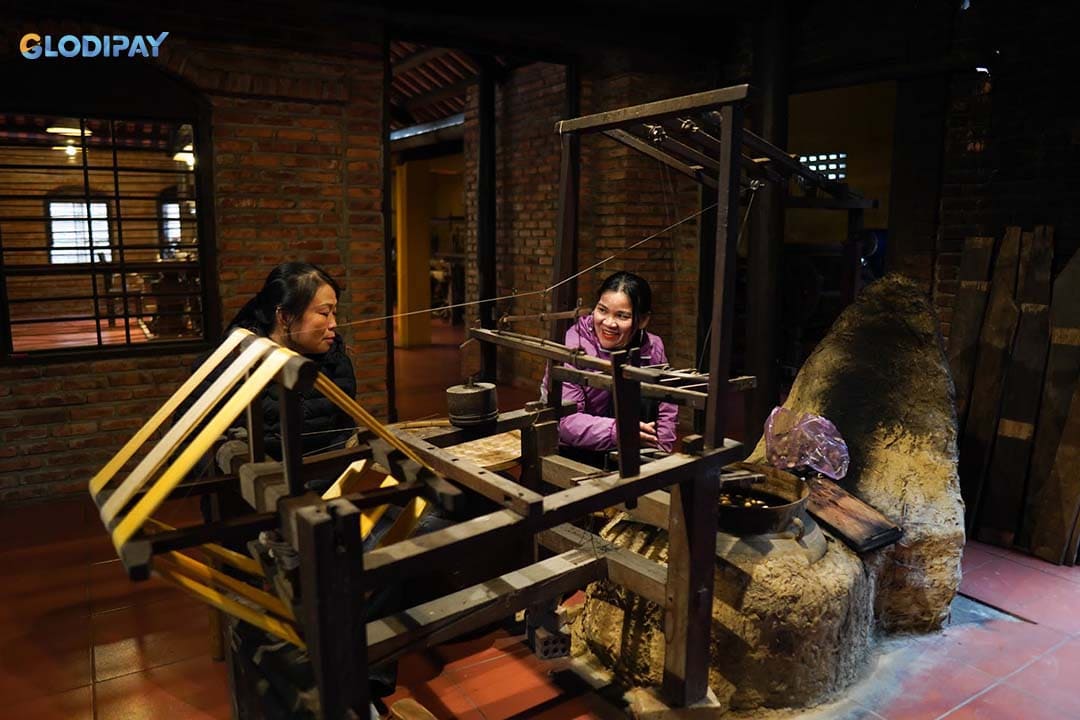
Hoi An Silk Village is located just outside Hoi An Ancient Town
Nearby attractions to the Hoi An Silk Village
One of the best things about visiting Phuoc Kieu is its proximity to other major attractions in Da Nang City. You can easily combine your trip into a full day of cultural exploration. Here are some fantastic places to visit nearby.
- Hoi An Ancient Town: UNESCO-listed heritage town known for lantern-lit streets, yellow houses, and iconic historic landmarks.
- Thanh Ha Pottery Village: Traditional craft village where visitors can watch terracotta pottery making and try shaping clay by hand.
- Tra Que Vegetable Village: Peaceful farming village famous for organic herbs grown with seaweed fertilizer and cycling-friendly gardens.
- My Son Sanctuary: Ancient Cham temple complex and UNESCO site showcasing centuries-old Hindu ruins in a jungle valley.
Practical tips for visitors
To make the most of your visit to Hoi An Silk Village, keep these practical tips in mind for a smoother and more enjoyable experience.
- Wear comfortable shoes, as you will walk between gardens, workshops, and exhibition areas.
- Visit in the morning (8:00 AM - 11:00 AM) to avoid heat and see artisans working actively.
- Bring cash (VND) for drinks, souvenirs, or silk products in smaller shops.
- Don’t miss the refreshing mulberry drink, usually under $3, made with mulberry, citrus, and soda.
- Guests staying at Silk Group hotels may receive free shuttle service and complimentary entrance tickets.
- Silk prices here can be higher than some Hoi An shops, but the quality is reliable and authentic.
- Ask permission before taking photos, especially in artisan working areas.
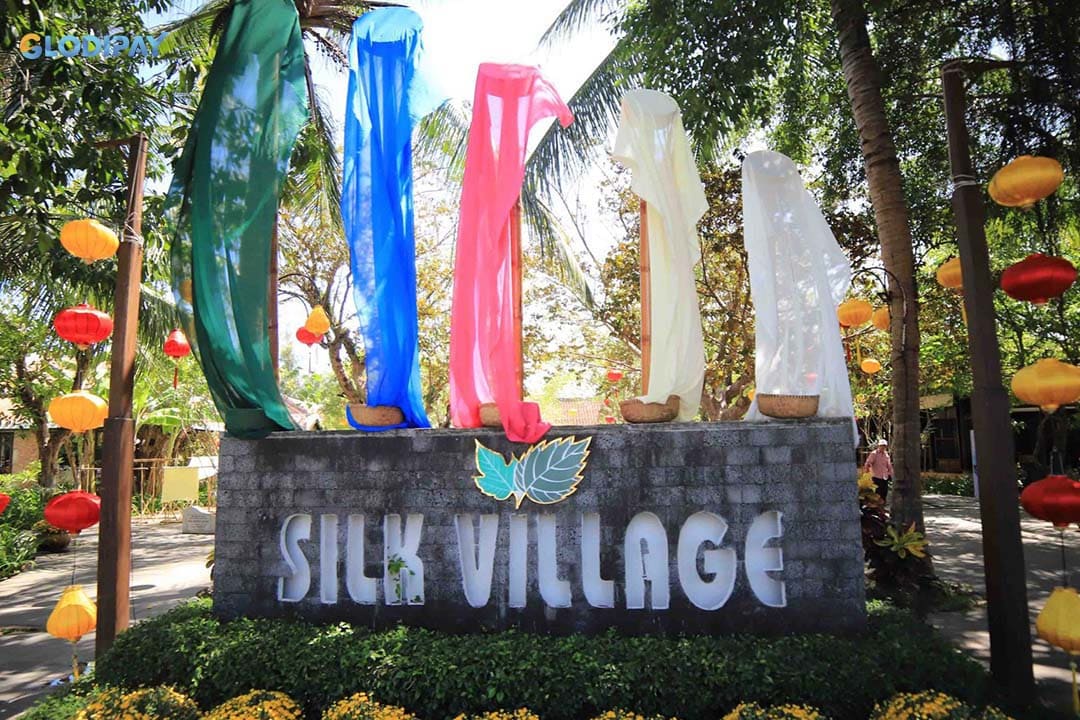
Remember practical tips to have a good trip to Hoi An Silk Village
Hoi An Silk Village is far more than just a place to buy silk. It is a gateway to understanding a cornerstone of Vietnamese culture and history. Every moment connects you to a 300-year-old legacy of craftsmanship. It offers a peaceful, educational, and deeply memorable experience that stands out as a true highlight of any trip to Hoi An. A visit here is a visit to the living soul of the Silk Road. Ready to discover the magic of Vietnamese silk? Plan your trip to Hoi An Silk Village today with GTrip and connect with a living piece of history.
Custom Your Journey

Other Attractions

Can Gio Monkey Island in Ho Chi Minh City: Tickets, Things to Do & Travel Guide
Can Gio Monkey Island
Can Gio Monkey Island in Ho Chi Minh City offers a refreshing escape from the city’s buzzing motorbike chaos. Just a short distance from the center, Can Gio welcomes you with lush mangrove forests, winding waterways, and a fascinating history. Here, you can meet playful long-tailed macaques, drift through tranquil channels, and explore remnants of a wartime guerrilla base.
Can Gio Monkey Island in Ho Chi Minh City: Tickets, Things to Do & Travel Guide

Cu Chi Tunnels: History, Architecture, Things To Do & Travel Guide
Cu Chi Tunnels
The Cu Chi Tunnels, located at TL15, Phu Hiep, Cu Chi District, Ho Chi Minh City, are a vast underground network of strategic passages, shelters, supply routes, and defensive traps.

Ho Chi Minh City
Ho Chi Minh City, known as the "Pearl of the Far East," attracts both domestic and foreign tourists with its unique and diverse destinations.

Tran Quoc Pagoda: History, Architecture, Significance & Travel Guide
Tran Quoc Pagoda
Nestled on the tranquil shores of West Lake, Tran Quoc Pagoda is the oldest Buddhist temple in Hanoi, with a history spanning over 1,500 years. Built in the 6th century under Emperor Ly Nam De, this sacred site reflects Vietnam’s Buddhist evolution while preserving its spiritual and architectural grandeur.