

Tuesday, October 13, 2026
Tucked inside a quiet alley of Hoi An Ancient Town, Nguyen Tuong Family Chapel offers a peaceful look into Vietnam’s ancestor worship traditions and local family heritage. This well-preserved ancestral house stands out with traditional architecture, historical artifacts, and a calm atmosphere away from crowded attractions. In this guide, GTrip covers its history, architectural highlights, entrance details, and practical tips to help you easily plan a meaningful visit to one of Hoi An’s lesser-known cultural sites.
Table of Content
- Overview of the Nguyen Tuong Family Chapel Hoi An
- History of the Nguyen Tuong Family Chapel Hoi An
- Architecture of the Nguyen Tuong Family Chapel Hoi An
- Things to do at Nguyen Tuong Family Chapel Hoi An
- How to get to Nguyen Tuong Family Chapel Hoi An?
- Nearby attractions to the Nguyen Tuong Family Chapel Hoi An
- Practical tips for visitors
Overview of the Nguyen Tuong Family Chapel Hoi An
- Address: 8/2 Nguyen Thi Minh Khai Street, Hoi An Ancient Town, Hoi An Ward (formerly Minh An Ward, Hoi An City, Quang Nam Province), Da Nang City
- Opening hours: 8:00 AM - 6:00 PM daily
- Entrance fee: This ticket grants you access to the old town and your choice of five out of more than 20 designated heritage sites
- Foreign adults and children above 15 years old: 120,000 VND ($4.60)
- Smaller kids: Free
- Best time to visit:
- Early morning (8:00 AM – 10:00 AM): Fewer crowds and cooler weather
- Festival days (Full Moon Lantern Festival): More cultural atmosphere but usually crowded
Before we dive deep, here is the essential information you need to plan your visit. The Nguyen Tuong Family Chapel is a private ancestral hall, yet it is open to the public as part of the Hoi An Ancient Town heritage ticket. Its significance lies in its impeccable preservation, offering a window into the life of a prominent family in 19th-century Hoi An and showcasing the enduring importance of ancestor worship in Vietnamese culture.
Located on Nguyen Thi Minh Khai Street, it is easily accessible on foot from any point within the Ancient Town. Its quiet location in a small alleyway (marked "8/2") means it is often less crowded than other major sites, allowing for a more personal and reflective experience.
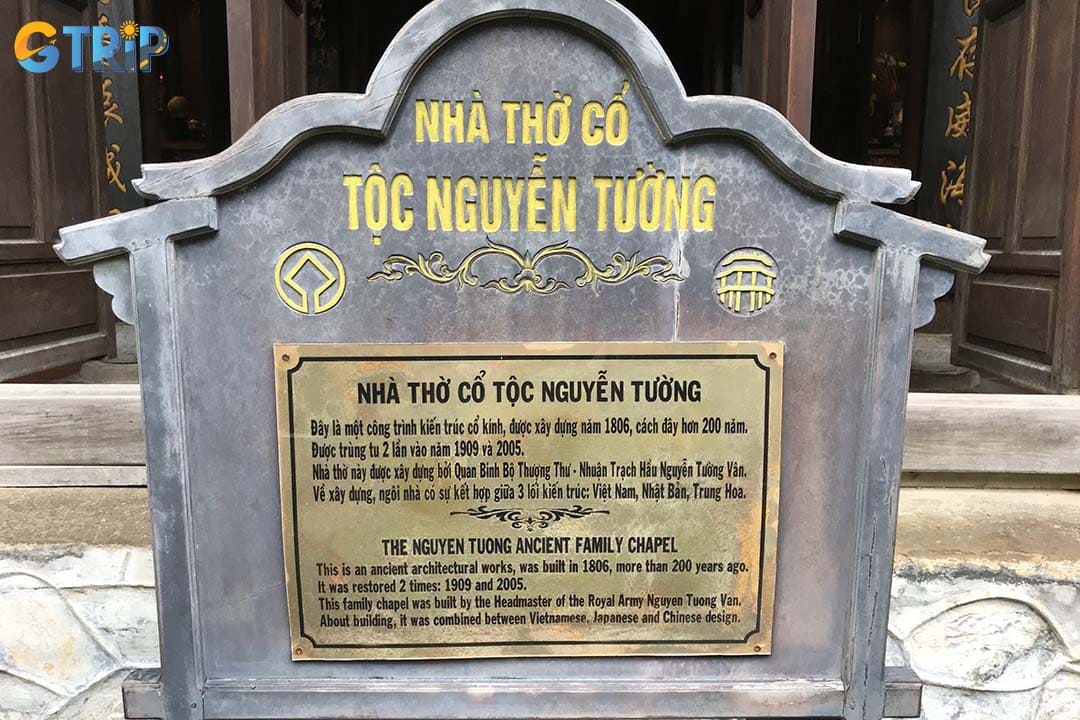
The Nguyen Tuong Family Chapel provides a peaceful glimpse into the preserved history and profound ancestor worship culture of Vietnam
History of the Nguyen Tuong Family Chapel Hoi An
The history of Nguyen Tuong Family Chapel Hoi An reflects the legacy of one of the town’s most influential scholarly families. Built in the early 19th century during the Nguyen Dynasty, the chapel preserves stories of imperial officials, intellectual traditions, and literary figures who helped shape Vietnam’s cultural and political history.
- 1804: Nguyen Tuong Van, an official of the Nguyen Dynasty, was appointed to work in Hoi An and moved his family from Gia Dinh (present-day Ho Chi Minh City) to the ancient trading port. His relocation marked the beginning of the Nguyen Tuong family’s long connection with the town.
- 1806: The main building of Nguyen Tuong Family Chapel Hoi An was constructed as his private residence and family ancestral house. Nguyen Tuong Van served the royal court during the reign of the Nguyen Dynasty (1802-1945) and made important contributions to the administration.
- 19th century: Several descendants achieved high results in imperial examinations and later held prestigious government positions, strengthening the family’s reputation for scholarship and public service.
- 20th century: The family also produced notable intellectuals and writers, including Nhat Linh, Hoang Dao, and Thach Lam, influential figures in Vietnamese literature and members of the Self-Reliant Literary Association.
- 2013: The chapel officially opened to visitors and became one of the attractions included in the Hoi An Ancient Town heritage ticket.
Architecture of the Nguyen Tuong Family Chapel Hoi An
The architecture of Nguyen Tuong Family Chapel Hoi An reflects traditional Vietnamese ancestral house design combined with elements commonly seen in historic Hoi An buildings. The chapel features a wooden frame structure with tiled roofs, decorative carvings, and symmetrical layouts typical of family temples in Central Vietnam. The interior space is organized around an ancestral altar dedicated to generations of the Nguyen Tuong family.
Many original artifacts are still preserved here, including genealogy books, wooden tablets, and historical documents dating from the 18th to 20th centuries. The chapel currently stores nearly 200 archival items, making it one of the most valuable family document collections in Hoi An.
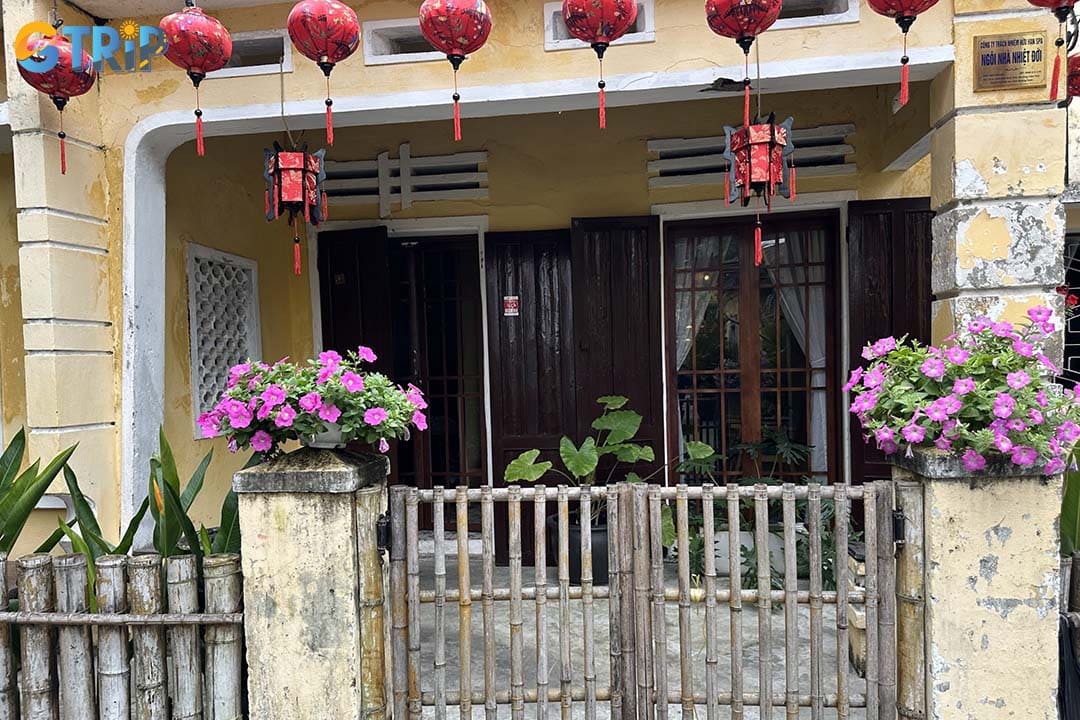
Nguyen Tuong Family Chapel combines Vietnamese, Japanese, and Chinese design
Things to do at Nguyen Tuong Family Chapel Hoi An
While smaller than other major attractions, the Nguyen Tuong Family Chapel offers a rich and rewarding experience for the curious traveler. Here are the most practical and interesting things to do at the Nguyen Tuong Family Chapel.
1. Admire the shimmering mother-of-pearl and master woodwork
As you walk inside, take a close look at the furniture. You’ll see beautiful "mother-of-pearl" (sea shell) decorations pressed into the dark wood. They actually shimmer when the light hits them. Don't forget to look up at the wooden beams and the "yin-yang" tiled roof. Every carving and curve was designed to show the status and taste of this intellectual family, making it a great spot for fans of traditional craft.



2. Learn about the "Spirit of the family" at the main altar
The central hall is the most important part of the house. Here, you can see the ancestral tablets (small wooden plaques with names) and portraits of past generations. Observing the incense burners and the way the altar is set up helps you understand "ancestor worship", one of the most important parts of Vietnamese culture. It’s a very personal way to see how families stay connected to their roots for hundreds of years.
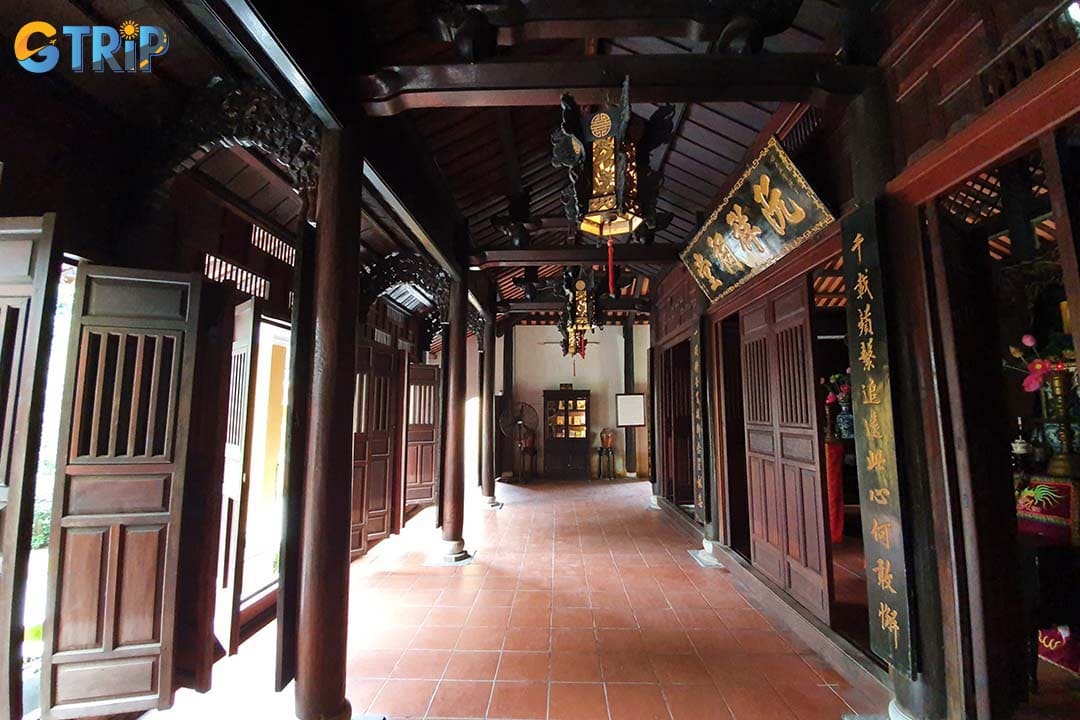
You can admire the architecture and the master woodwork of Nguyen Tuong Family Chapel
3. Discover a family of famous writers and officials
The Nguyen Tuong family was famous for being very well-educated. They weren't just traders; many were famous writers and high-ranking government officials. While exploring, look for the old genealogy books and family records on display. It’s a fascinating look at the "intellectual side" of Hoi An’s history, showing that the town was a center for learning as much as it was for business.
4. Meet the actual descendants who still live there
One of the coolest things about this chapel is that it’s still cared for by the family’s direct descendants. Unlike a big, cold museum, this is a "living" home. If the caretakers aren't too busy, they are often happy to share a quick story about their great-grandparents. A friendly smile and a "Xin chao" (Hello) go a long way here, giving you a much more authentic experience than just walking through a building.
5. Take "moody" photos in the quiet alleyway garden
Since the chapel is tucked away in a small side street, it’s much quieter than the famous assembly halls. This makes it perfect for taking photos without dozens of other tourists in your shot. The mix of dark wood, green plants in the courtyard, and natural light creates a very "old-world" vibe. Just remember to be respectful: ask before filming people and keep your flash off to protect the ancient artifacts.
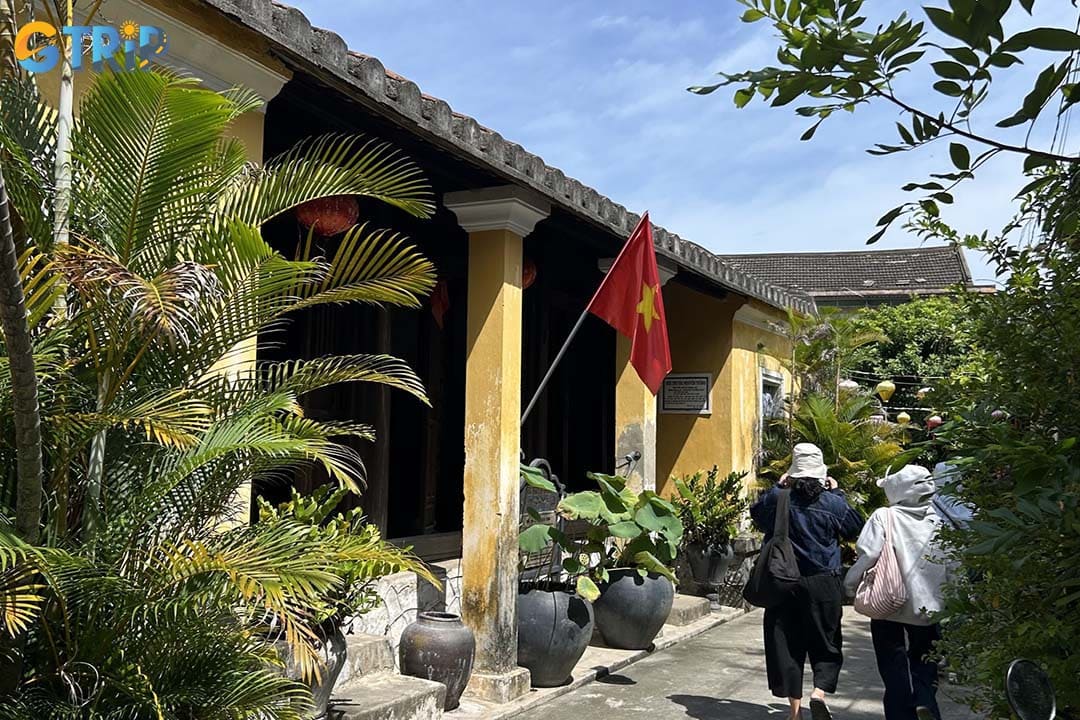
The Nguyen Tuong Family Chapel offers many spots ideal for moody photographs
How to get to Nguyen Tuong Family Chapel Hoi An?
Located inside the UNESCO-listed old town, Nguyen Tuong Family Chapel Hoi An is easy to reach from many nearby destinations.
From Da Nang International Airport
From Da Nang International Airport, visitors can travel directly to Hoi An and reach Nguyen Tuong Family Chapel Hoi An located on Nguyen Thi Minh Khai Street inside the ancient town.
- Distance: ~30 km
- Travel time: 45-60 minutes
- Routes: Vo Nguyen Giap Street → Lac Long Quan Road → Hai Ba Trung Street → Hoi An Ancient Town
- Optimal option: Taxi, private transfer, or shuttle bus for convenience after arriving at the airport
From Da Nang City center
Traveling from Da Nang City center to Nguyen Tuong Family Chapel Hoi An is straightforward thanks to the coastal road connecting the two destinations.
- Distance: ~28 km
- Travel time: 40-50 minutes
- Routes: Vo Nguyen Giap coastal road → Lac Long Quan → Hai Ba Trung → Hoi An Ancient Town
- Optimal option: Motorbike or private car for flexible sightseeing along the coastline
From around Hoi An Ancient Town
The chapel is located inside the historic district, so most visitors reach Nguyen Tuong Family Chapel Hoi An on foot while exploring the old town.
- Distance: 300 m - 1 km depending on your starting point
- Travel time: 5-15 minutes
- Routes: Nguyen Thi Minh Khai Street or Tran Phu Street
- Optimal option: Walking or cycling since the ancient town has pedestrian hours during the day
Transportation options
There are several convenient ways to reach Nguyen Tuong Family Chapel Hoi An depending on where you start your journey.
- Walking: The best way to explore attractions inside the ancient town.
- Bicycle: Popular and often free at hotels in Hoi An.
- Motorbike: Flexible but restricted during pedestrian hours in the old town.
- Taxi or private car: Suitable for visitors traveling from Da Nang or nearby areas.
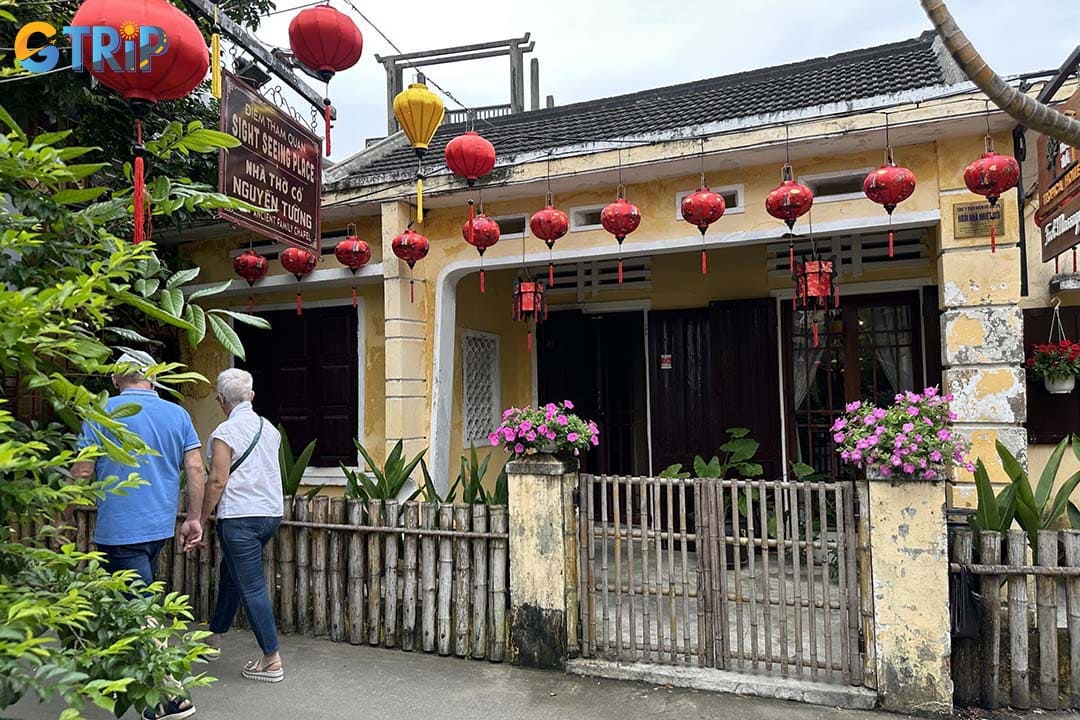
You can reach Nguyen Tuong Family Chapel from anywhere by many means of transportation
Nearby attractions to the Nguyen Tuong Family Chapel Hoi An
Thanks to its central location in the historic district, Nguyen Tuong Family Chapel Hoi An is surrounded by many cultural landmarks and heritage sites. Visitors can easily combine a visit here with famous ancient houses, temples, assembly halls, and markets while walking through the charming streets of Hoi An.
Other nearby attractions in Hoi An
Because Nguyen Tuong Family Chapel Hoi An sits in the center of the UNESCO-listed old town, visitors can easily combine it with other famous landmarks. Popular nearby attractions include:
- Japanese Bridge Hoi An (Japanese Covered Bridge): Iconic 16th-century bridge built by the Japanese community, featuring a unique roofed structure. It’s one of the most recognizable symbols of Hoi An Ancient Town.
- Tan Ky Ancient House: Well-preserved merchant house blending Vietnamese, Chinese, and Japanese architecture. Displays antiques and tells the story of Hoi An’s trading past.
- Fujian Assembly Hall (Phuc Kien Assembly Hall): Colorful Chinese assembly hall dedicated to Thien Hau, the sea goddess. Known for ornate gates, dragon motifs, and incense-filled courtyards.
- Hoi An Central Market: Bustling riverside market famous for street food and local specialties. A great place to experience daily life and shop for souvenirs.
- Hoi An Museum: Museum showcasing artifacts from Hoi An’s trading history and cultural heritage. Provides insight into the town’s multicultural past.
These sites are all within walking distance and form part of the historic cultural landscape of Hoi An.
Other family chapels in Hoi An Ancient Town
Family chapels (nha tho ho) are common cultural structures in Vietnam where clans worship their ancestors. Within Hoi An Ancient Town, there are around 25 preserved family chapels. Some notable examples include:
- Tran Family Chapel (21 Le Loi Street): Historic ancestral house of the Tran family featuring traditional wooden architecture. Highlights Confucian-style layout and family worship traditions.
- Hoang Family Chapel (40 Tran Thu Street): Quiet family temple preserving ancestral altars and heritage objects. Reflects traditional clan-based culture in Hoi An.
- Ly Family Chapel (84 Tran Thu Street): Small but well-maintained ancestral house with classic courtyard design. Offers a glimpse into local family worship customs.
- Pham Family Chapel (96 Tran Thu Street): Traditional wooden chapel dedicated to the Pham lineage. Known for antique furnishings and peaceful atmosphere.
- Lam Family Chapel (120 Tran Thu Street): Historic family worship space featuring carved wooden details. Represents long-standing ancestral traditions in the old town.
- Tang Dieu Family Chapel (Phan Chu Trinh Street): Lesser-known ancestral house with traditional architecture and altars. A quiet cultural stop away from crowded tourist spots.
Many of these chapels are located in quiet lanes, offering visitors a peaceful glimpse into Hoi An’s family heritage.
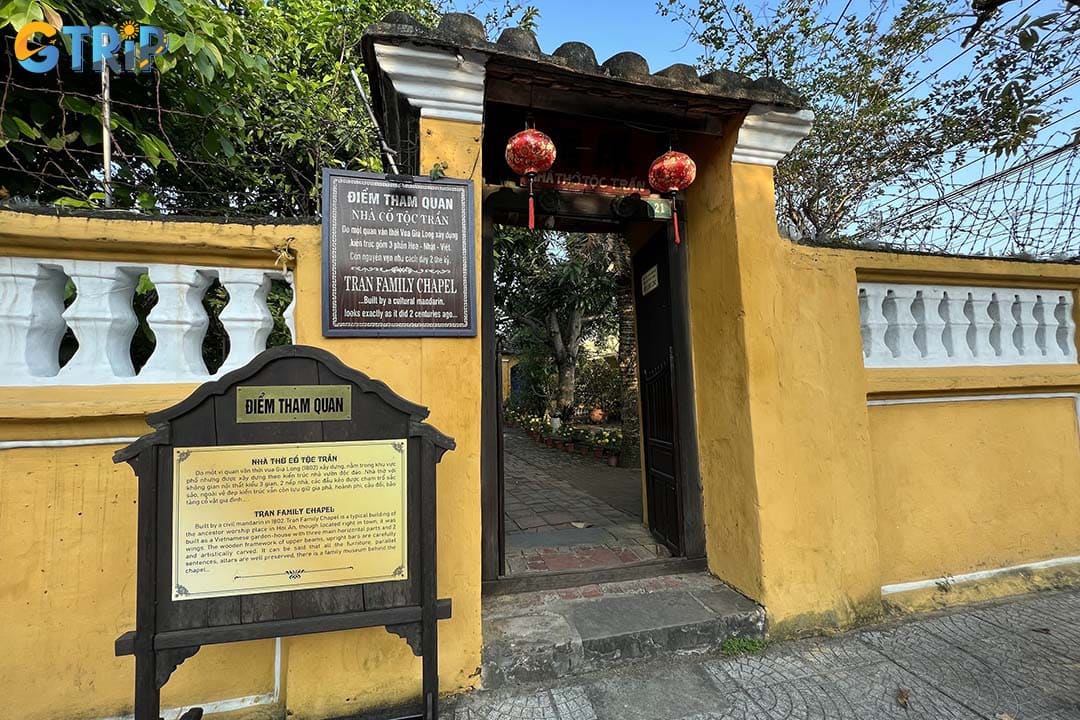
If you are interested in exploring other chapels, Tran Family Chapel is another choice
Practical tips for visitors
Before visiting Nguyen Tuong Family Chapel Hoi An, it’s helpful to know a few practical tips to make your trip smoother. From entrance tickets and dress etiquette to weather preparation and walking routes, a little planning will help you fully enjoy this historic cultural site in Hoi An Ancient Town.
- Buy the Hoi An Ancient Town entrance ticket (about 120,000 VND) to access heritage attractions.
- Dress modestly when visiting religious or ancestral sites.
- Avoid touching antiques and follow the rules displayed inside the chapel.
- Wear comfortable shoes since exploring the old town involves walking.
- Bring cash for entrance tickets and small purchases.
- Visit early morning or late afternoon to avoid crowds and heat.
- Carry sunscreen, hat, or umbrella during the dry season (February-August).
- Bring rain protection if visiting between September and January.
- Check flood conditions from October to December before traveling to Hoi An.
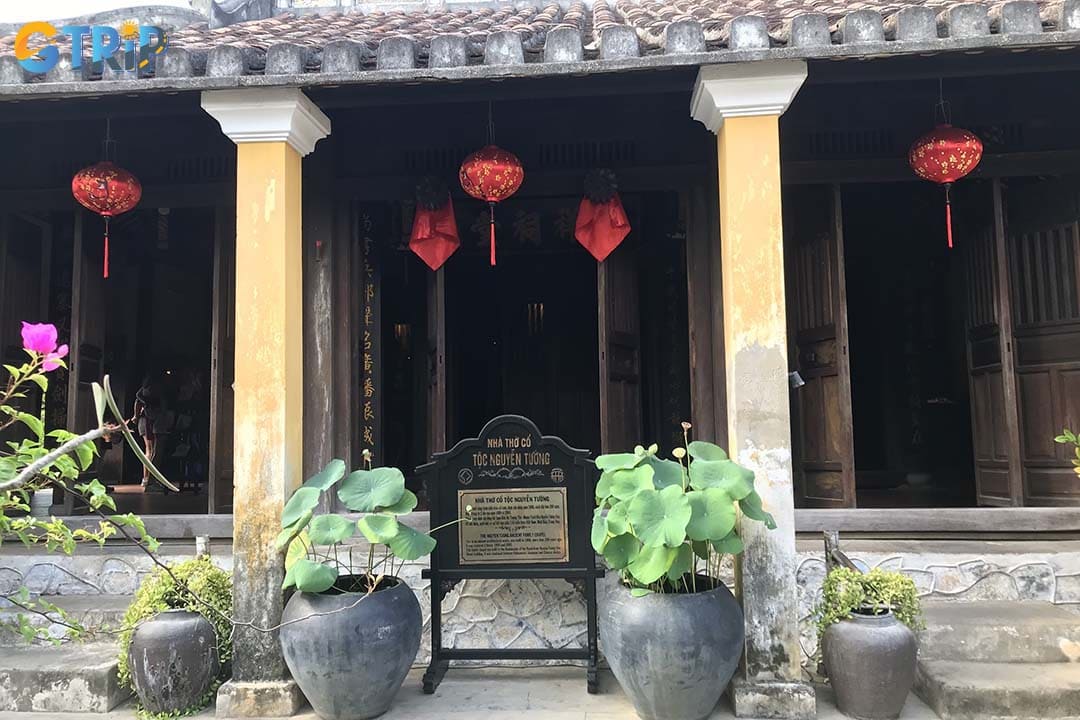
Remember practical tips to have a good trip to Nguyen Tuong Family Chapel
The Nguyen Tuong Family Chapel Hoi An is far more than just another stop on a tourist itinerary. It is a living monument to family, tradition, and the enduring spirit of Hoi An. Its quiet dignity, architectural beauty, and the profound cultural story it tells make it an essential visit for any traveler seeking a deeper understanding of Vietnam. By stepping into this tranquil space, you are stepping back in time and connecting with a heritage that has been lovingly preserved for over two centuries. We hope this expert guide from GTrip helps you discover the quiet beauty and rich history of the Nguyen Tuong Family Chapel. For more in-depth Vietnam travel guides and insider tips, explore the rest of our blog.
Custom Your Journey

Other Attractions

Can Gio Monkey Island in Ho Chi Minh City: Tickets, Things to Do & Travel Guide
Can Gio Monkey Island
Can Gio Monkey Island in Ho Chi Minh City offers a refreshing escape from the city’s buzzing motorbike chaos. Just a short distance from the center, Can Gio welcomes you with lush mangrove forests, winding waterways, and a fascinating history. Here, you can meet playful long-tailed macaques, drift through tranquil channels, and explore remnants of a wartime guerrilla base.
Can Gio Monkey Island in Ho Chi Minh City: Tickets, Things to Do & Travel Guide
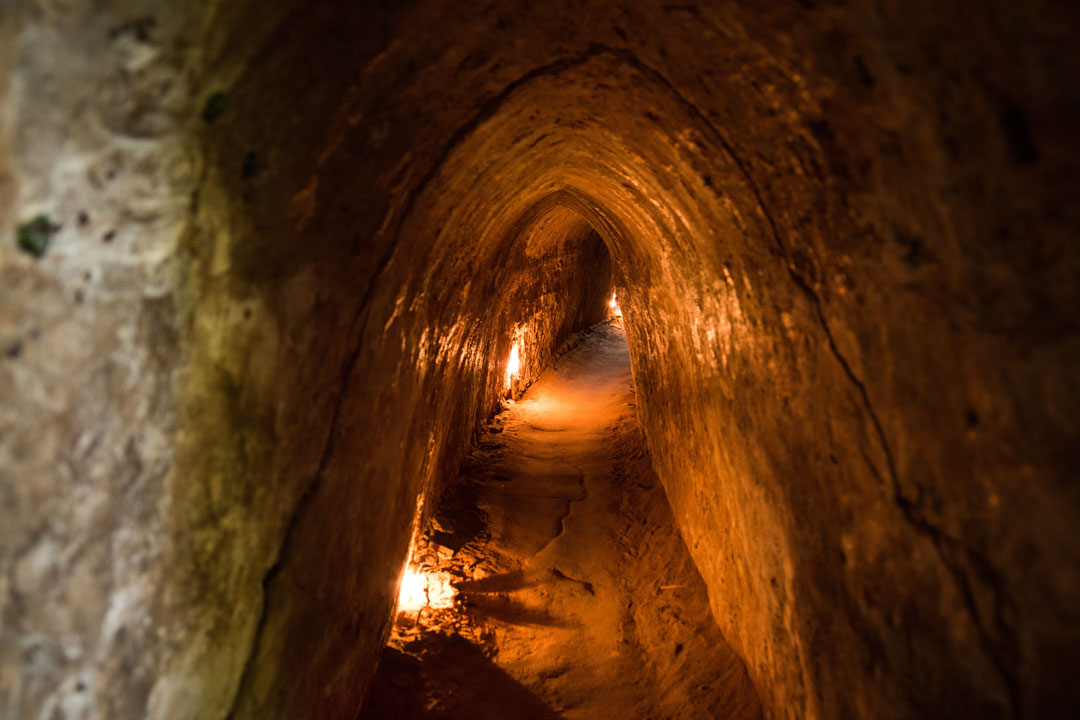
Cu Chi Tunnels: History, Architecture, Things To Do & Travel Guide
Cu Chi Tunnels
The Cu Chi Tunnels, located at TL15, Phu Hiep, Cu Chi District, Ho Chi Minh City, are a vast underground network of strategic passages, shelters, supply routes, and defensive traps.
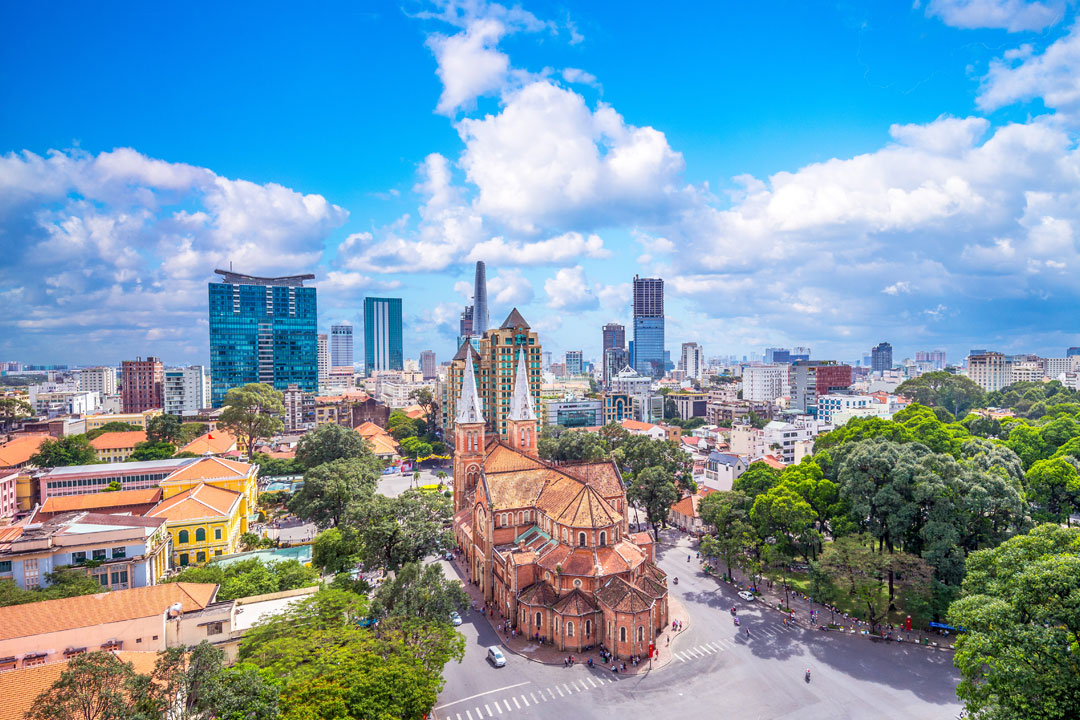
Ho Chi Minh City
Ho Chi Minh City, known as the "Pearl of the Far East," attracts both domestic and foreign tourists with its unique and diverse destinations.

Tran Quoc Pagoda: History, Architecture, Significance & Travel Guide
Tran Quoc Pagoda
Nestled on the tranquil shores of West Lake, Tran Quoc Pagoda is the oldest Buddhist temple in Hanoi, with a history spanning over 1,500 years. Built in the 6th century under Emperor Ly Nam De, this sacred site reflects Vietnam’s Buddhist evolution while preserving its spiritual and architectural grandeur.